Choosing golf irons can feel harder than choosing a club by appearance. A slim, polished blade may look precise, while a wider cavity-back head often inspires more confidence at address. Yet shape is only one clue. Irons differ in head design, construction, offset, sole width, and the help they provide on off-center strikes. Those features can influence launch, feel, distance control, and shot consistency. A beginner standing over a seven-iron on a damp practice mat may want something different from a low-handicap golfer shaping a shot around a tree. Neither preference is automatically better. Fit matters.
This guide explores common golf irons, including blades, cavity-backs, players-distance models, and game-improvement designs. Their categories can overlap, and labels do not tell the whole story. Two irons in the same group may feel surprisingly different in your hands. Shaft length, flex, lie angle, and loft also affect performance, so a clubhead alone cannot predict your results. A forgiving iron may help on some mishits, but it will not fix every swing. That part is easy to forget. Comparing models side by side, ideally with measured shots and advice from a qualified club fitter, offers more useful evidence than relying on looks or marketing claims. Expect trade-offs, not a perfect answer.
What Types of Golf Irons Are There?
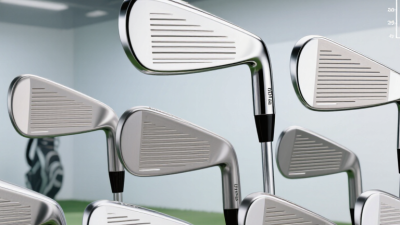
Golf irons are grouped by head design and the needs they serve. Blades, also called muscle-back irons, have compact heads and thin soles. Skilled players may value their feedback and control over shot shape. However, their smaller sweet spots make off-center strikes less forgiving. Cavity-back irons shift weight around the edges of the head, helping many golfers maintain distance on mishits. Game-improvement models often have wider soles and lower centers of gravity, which can make launching the ball easier. These categories overlap.
The right design depends on more than handicap. A confident ball-striker may prefer precise distance control, while a newer golfer may prioritize a steadier result across the face. Swing speed, strike pattern, turf conditions, and feel all matter. Try irons from realistic lies, not just a perfect mat. Compare carry distance and shot dispersion. One shot can mislead. It is tempting to choose a demanding iron because it looks appealing, then overlook how repeated thin strikes affect confidence. That trade-off deserves reflection.
Tips: Check whether the sole suits your usual turf. Ask a qualified fitter to measure lie angle and distance gaps. Test long irons separately; some golfers hit hybrids more consistently. Keep notes after each test.
Iron categories are not always strictly defined, and designs can overlap. This guide compares common iron styles by their construction, typical performance, and the players they tend to suit.
| Iron Type | Typical Design | Common Performance Traits | Often Suits | Main Trade-Off |
|---|---|---|---|---|
| Muscle-back blade | Compact, solid-looking head with a relatively thin topline and little or no cavity behind the face. Usually forged, though construction varies. | Provides a direct feel and clear feedback on strike location. The compact shape can make it easier to control trajectory and shape shots for consistent ball-strikers. | Experienced golfers who regularly strike the center of the face and prioritize feel, workability, and a traditional profile. | Off-center strikes generally lose more ball speed and distance than they do with more forgiving designs. |
| Cavity-back | A portion of the material behind the face is removed or redistributed toward the perimeter, increasing perimeter weighting compared with a blade. | Often offers more stability on mishits while retaining a relatively traditional appearance. The amount of forgiveness and launch assistance depends on the specific design. | A broad range of players, including golfers seeking a balance of feedback, control, and forgiveness. | Typically offers less help on mishits than larger game-improvement designs; performance varies considerably across models. |
| Players’ distance iron | Combines a relatively compact, player-oriented profile with features such as a thinner face, internal weighting, or a hollow or partially hollow construction. | Designed to add ball speed and distance while keeping a sleeker shape than many game-improvement irons. Some designs produce a stronger, lower-spinning flight. | Golfers who want more distance or speed but prefer a compact look and a degree of shot-shaping control. | Distance-focused construction and stronger lofts can make distance control and stopping power more dependent on the individual design and delivery. |
| Game-improvement iron | Often has a larger head, wider sole, more offset, and perimeter or low-back weighting. Many designs use a cavity or a hollow construction. | Typically aims to increase forgiveness and make launch easier. A larger effective hitting area can help preserve ball speed on some off-center strikes. | Beginners and mid- to high-handicap golfers, as well as players who value consistency and easier launch over a compact profile. | The larger shape and offset may feel less workable or visually compact to golfers who prefer a traditional iron look. |
| Super game-improvement iron | Usually features a large, confidence-inspiring head, a wide sole, substantial perimeter weighting, and more offset than many players’ irons. | Emphasizes help with launch and off-center contact. The sole and weighting are designed to make ordinary strikes more playable for many golfers. | Newer golfers and players who need substantial assistance with launch, contact consistency, or keeping shots in play. | The bulkier appearance and reduced feedback may not appeal to golfers who prioritize precision or a compact shape. |
| Single-length iron set | Irons in the set are built to a common shaft length rather than becoming progressively shorter from long irons to short irons. | Uses a more consistent stance and swing setup across the set. Distance gaps and launch characteristics depend on the head design, lofts, and the golfer. | Golfers who prefer a consistent setup or find varying club lengths difficult to manage. | One length does not suit every player, and gapping or launch at the longest and shortest irons may require careful fitting. |
| Combo or blended set | Combines different iron head styles within one set—for example, more forgiving long irons with more compact short irons. | Can provide extra launch help in longer clubs while retaining a more controlled feel or profile in scoring irons. | Golfers whose needs differ across the set and who want a tailored balance of forgiveness, distance, and control. | Transitions in shape, feel, or distance between club types need to be checked so the set has consistent yardage gaps. |