Starting playing golf can feel intimidating, especially when a quiet practice range suddenly seems full of complicated rules. The clubs look different, the swing feels unnatural, and even a short putt can miss by several inches. This guide offers a practical, beginner-friendly path into the game. It focuses on safe practice, basic technique, simple equipment choices, and respectful course behavior. You will learn what to bring, how to hold a club, and when to seek professional instruction. Small details matter. A relaxed grip often helps more than extra strength.
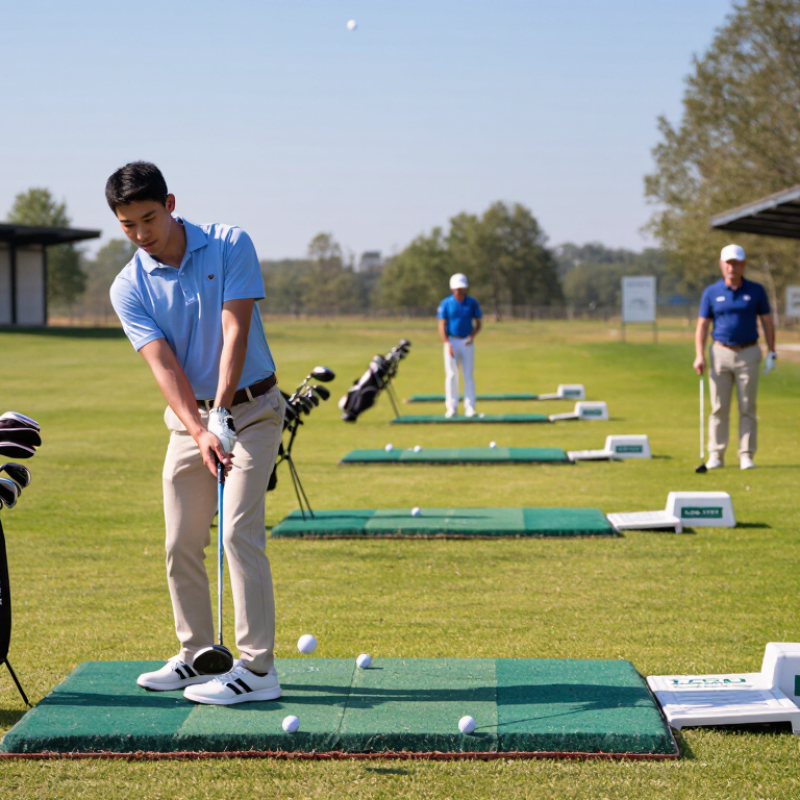
Begin with a short club, such as a pitching wedge, and practice on a driving range. Spend ten minutes making gentle half-swings before hitting full shots. Notice the ball’s sound, flight, and landing point. Advice from a qualified PGA professional can correct habits before they become difficult to change. Official golf rules and guidance from recognized governing bodies also provide reliable information about etiquette, penalties, and course safety. Wear comfortable shoes, check the weather, and never swing near another person. Simple preparation prevents avoidable problems.
Progress will not be perfectly smooth. Some days, the ball may travel only a few yards. That is normal. A beginner can improve by recording one useful observation after each session, such as “my grip tightened near impact.” Avoid buying an expensive set too early. Borrow clubs or ask a professional about suitable beginner equipment. Playing golf should challenge you, but it should also remain enjoyable. Patience, honest reflection, and regular practice create a stronger foundation than chasing one impressive shot.
Golf becomes easier when you understand its basic structure. A standard round contains 18 holes, and each hole has a par value. Par estimates the number of strokes a skilled golfer might need. Your score is the total number of strokes used across all holes.
Under the USGA Rules of Golf, stroke play rewards the lowest total score. Every swing counts, including penalty strokes. For example, six strokes on a par-four hole means you are two over par.
28.1 million
The National Golf Foundation’s 2024 Golf Participation Report recorded 28.1 million on-course golfers in the United States during 2023.
That number shows golf remains widely accessible, although beginners often expect fast improvement.
I did too. My early rounds were slow, uneven, and occasionally frustrating.
Tips:
I once focused heavily on powerful drives and ignored putting. That choice looked impressive for a few minutes, but it damaged my score.
Mistakes are useful when you examine them.

USGA Rule 4.1b allows a golfer to carry no more than 14 clubs during a round. Fourteen is the ceiling. Less is fine. As a beginner, you do not need every possible club immediately.
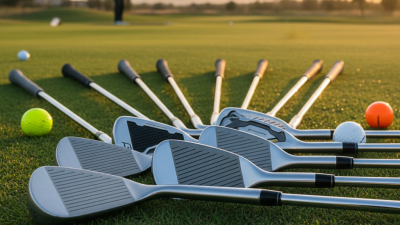
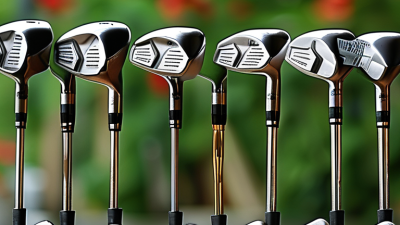
A practical set might include a driver, fairway club, hybrid, several irons, wedges, and a putter. Choose clubs that cover different distances without creating confusing overlaps. I once carried too many unfamiliar clubs and wasted time deciding between nearly identical irons.
Before teeing off, count your clubs and check that each one suits your ability. A simple distance chart can help. For example, record how far each club travels with a controlled swing, not your hardest swing. Leave space for useful additions later.
Under Rule 4.1b, a player who starts with fewer than 14 clubs may add clubs during the round, provided there is no undue delay. A player who starts with 14 cannot add another club. You also cannot borrow a club from another player during your round. In competition, exceeding the limit can bring penalties, so counting matters. I still sometimes forget to check the side pocket of my golf bag. That small mistake can become expensive. Ask an instructor to inspect your setup, especially if unusual clubs or replacement rules are involved.
How to Start Playing Golf for Beginners?
A beginner should understand the ball before practicing a swing. Under USGA standards, a legal golf ball must measure at least 1.68 inches in diameter. Its maximum weight is 1.62 ounces. That size affects launch, spin, and how clearly you see the ball on grass. Hold one in your palm. It feels small, but its design demands precise contact. I once blamed my swing when poor alignment was the real problem.
The target has an equally important standard. A regulation golf hole is 4.25 inches wide and at least 4 inches deep. The opening may look generous from close range, yet it becomes surprisingly narrow from 150 yards away. Place a ball beside the cup during practice. This simple comparison gives beginners a useful sense of scale. Aim at the center, not the edge.
Start with short putts on a flat green. Keep your eyes above the ball and make a smooth, quiet stroke. Do not rush. A ruler can check ball diameter, while a course guide or staff member can confirm hole measurements. Most formal courses follow these standards, but practice areas may differ slightly. My early mistake was chasing distance too soon. Consistent contact matters more than power, although I still forget that sometimes.
A conforming golf ball has a minimum diameter of 1.68 inches, while a regulation golf hole has a diameter of 4.25 inches. Understanding these dimensions helps beginners recognize the scale of the ball, cup, and putting target.
Learning golf starts with repeatable shots, not heroic drives. The 2023 Golf Around the World report recorded 66.6 million golfers worldwide, yet beginners still need simple practice targets. Spend part of each session on putting, chipping, pitching, iron shots, and tee shots. Start close.
Use ten balls per drill and record results honestly. For putting, count balls finishing within a club length. For chipping, mark how many finish inside three metres. With irons, note solid strikes and target direction. My early practice notes were messy. I sometimes counted lucky contact as success. That was a mistake. A small notebook, phone spreadsheet, or scorecard can reveal whether progress is real.
The World Handicap System uses the best eight score differentials from the most recent 20 acceptable scores, according to its Rules of Handicapping. Submit eligible nine-hole or 18-hole rounds, record every stroke, and apply the correct local rules. Do not replace a poor hole with a guessed number. A 2024 U.S. golf participation report estimated 28.1 million on-course players, showing how many golfers may benefit from consistent scoring habits. Track fairways, penalties, putts, and missed short shots, but prioritise the gross score. Handicap data becomes useful only when the round reflects actual play. My own weakness was rushing the final holes, so I now pause after each hole and check the card before continuing.
Starting golf can feel awkward, especially when every shot seems to create a new question. The 25 Rules of Golf give your first round a clear structure. Before teeing off, check the course boundaries, local rules, and playing format. Your score depends on every stroke, including penalty strokes. Keep your ball identifiable, and play it as it lies unless a rule allows relief.
On the course, Rule 1 emphasizes playing fairly and honestly. Rules covering equipment, turning order, and pace help protect other players. A lost ball usually requires a penalty and a new ball from the permitted area. In a penalty area, you may often play the ball or take relief with one penalty stroke. Bunkers require extra care; do not ground your club directly behind the ball. On the putting green, mark, lift, and replace your ball carefully. Repairing damage is allowed, but avoid delaying play.
Small details matter.
I once rushed a drop and placed the ball incorrectly. That mistake changed the score and taught me to slow down. When relief is available, identify the reference point, measure the allowed distance, and drop correctly. Unplayable-ball relief can also save a difficult hole, but it carries a penalty. Rule 25 explains modified procedures for golfers with disabilities, making the game more accessible while preserving fairness. Ask a playing partner or rules official when uncertain. Honest questions are better than confident guesses.