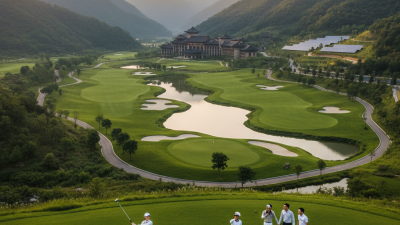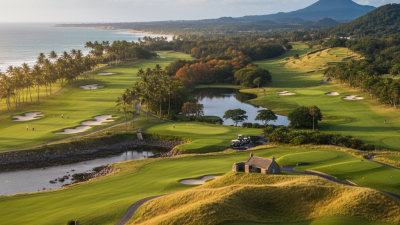
Choosing the best places to play golf in 2026 is about more than famous names. It means weighing course design, reliable access, local character, weather, and the kind of trip a golfer actually wants. A windswept links round in Scotland or Ireland feels very different from a warm coastal morning in Portugal. In Japan, mountain views may frame the fairway; in South Africa, wildlife and landscape can shape the experience beyond the course.
Gary Player, the major-winning professional golfer, put practice into a memorable line: “The harder I practice, the luckier I get.” His words are not a travel rule, but they suit golf journeys: preparation helps, while a good round still depends on conditions and judgment. Wind changes everything. So does a slow green, a missed connection, or a course that proves tougher than its photographs suggest.
This guide considers destinations across continents, including Australia, Hawaii, and celebrated European golf regions. It looks at the playing experience, scenery, practical access, and the details that make a trip worthwhile. No single ranking can fit every golfer. That is an imperfect truth, and worth remembering. A championship venue may thrill one player and overwhelm another; a quieter course may become the trip’s best memory. Use these selections as a starting point, then check seasonal conditions, tee-time policies, and current travel information before booking.

A credible 2026 golf destination rating should measure more than famous courses. The R&A’s Golf Around the World 2023 report counted 38,081 golf facilities across 206 countries. That scale makes simple “best course” lists misleading. Evaluators should compare course condition, design variety, visitor access, seasonal weather, and the cost of a typical round. They should also check whether public tee times are available, rather than judging a place only by private-course reviews.
Details matter. Reliable comparisons use consistent measures: green-fee ranges, travel time from major transport hubs, course maintenance standards, and documented environmental practices. UN Tourism reported 1.3 billion international tourist arrivals in 2023, showing why travel access and crowding deserve attention alongside playing quality. A destination with excellent layouts may still frustrate visitors if transfers are long or peak-season bookings are scarce. Local climate data can help, but averages rarely capture a sudden coastal downpour or a windy afternoon.
Scores should disclose their sources and dates, since fees and course conditions change. No model is perfect. A spreadsheet may miss the quiet walk between holes, the firmness of the turf, or whether staff can explain local playing conditions clearly. Those observations matter, but they should be presented as firsthand experience, not universal fact.
Destinations are compared on practical access, typical playing-season conditions, variety of golf experiences, and appeal beyond the course. Scores are editorial assessments out of 5, not official rankings. Playing windows are typical seasonal guidance; local weather can vary.
| Destination | Region | Typical Best Playing Window | Climate and Season Notes | Golf Experience | Access | Off-Course Appeal | Access / 5 |
Season / 5 |
Variety / 5 |
Beyond Golf / 5 |
Total / 20 |
|---|---|---|---|---|---|---|---|---|---|---|---|
| Algarve | Southern Portugal | October–May | Mild winters are well suited to golf; summer afternoons can be very hot. | A strong mix of coastal and inland layouts, with options for different playing levels. | Faro Airport serves the region; onward journeys are generally by road. | Atlantic beaches, historic towns, coastal walks, and regional cuisine. | 4 | 5 | 4 | 5 | 18 |
| Melbourne | Victoria, Australia | September–April | Spring through autumn generally offers the most comfortable conditions; weather can change quickly. | Wide choice of parkland, sandbelt, and coastal-style golf experiences in and around the city. | Melbourne Airport has extensive domestic and international connections; local travel is needed to reach courses. | Food and arts districts, gardens, and day trips along the coast and into wine regions. | 5 | 4 | 5 | 5 | 19 |
| Costa del Sol | Andalusia, Spain | October–May | Mild conditions make much of the cooler season attractive; midsummer heat can limit comfortable playing hours. | A high concentration of courses along the coast, including resort, parkland, and hillside settings. | Málaga Airport is the main regional gateway, with road and rail connections along the coast. | Mediterranean beaches, Andalusian towns, historic sites, and varied local food. | 4 | 5 | 5 | 5 | 19 |
| Monterey Bay | California, United States | Year-round, weather permitting | Coastal temperatures are relatively moderate; fog, wind, and rain can affect conditions. | Scenic coastal golf combines with inland options across the wider Monterey region. | Monterey Regional Airport is nearby; larger airports in the San Francisco Bay Area offer additional routes. | Coastal scenery, marine wildlife, walking trails, and nearby wine country. | 4 | 4 | 5 | 5 | 18 |
| Cape Town | Western Cape, South Africa | October–April | The warmer, drier months are often most comfortable for golf; winter brings more rain. | Coastal and inland courses make it possible to pair golf with varied landscapes. | Cape Town International Airport connects the city with regional and international destinations. | Table Mountain, beaches, museums, nature reserves, and nearby vineyards. | 4 | 4 | 4 | 5 | 17 |
| St Andrews | Fife, Scotland | May–September | Long summer daylight helps with scheduling, while wind and rain can occur in any season. | A historic golfing area with links-style play and additional courses across the wider region. | Common routes use Edinburgh or Glasgow airports, followed by onward rail or road travel. | Historic streets, university heritage, coastal walks, and nearby Scottish towns. | 4 | 3 | 4 | 5 | 16 |
| Dubai | United Arab Emirates | November–March | The cooler months are generally more comfortable for outdoor play; summer heat is a significant consideration. | Modern desert courses offer a distinctive contrast to traditional coastal and parkland settings elsewhere. | Dubai International Airport is a major international gateway; courses are generally reached by road. | Architecture, museums, desert excursions, beaches, and a broad range of dining options. | 5 | 3 | 4 | 4 | 16 |
| Hokkaido | Northern Japan | May–October | Golf is seasonal, with snow limiting winter play; summer is generally milder than in much of Japan. | Mountain, forest, and resort settings provide a different feel from Japan’s major urban golf regions. | New Chitose Airport is the main air gateway; onward travel is needed for many resort areas. | National parks, hot springs, seasonal scenery, and distinctive regional food. | 3 | 3 | 4 | 5 | 15 |
| Scores reflect a comparative editorial framework for destination planning in 2026. Confirm course availability, transport, and local conditions before travel. | |||||||||||