How to Choose the Best Golf Irons for Your Game?
Choosing the right golf irons can significantly impact one's game. Renowned golf equipment expert Tom Wishon once said, "The right set of irons can elevate your performance." This truth resonates with many players who seek the best tools to enhance their skills on the course.
Golf irons come in various types, suited to different playing styles. The balance between distance and accuracy is crucial when selecting these clubs. Each golfer has unique needs and preferences, making it essential to test various options. Factors like clubhead design, shaft flexibility, and grip size should not be overlooked. The wrong choice may hinder performance rather than improve it.
Moreover, navigating the vast market can be daunting. Players often feel overwhelmed with technology and trends. Finding reliable sources of information is vital. Engaging with professionals or experienced players can provide insights. Each decision should consider personal skill level and goals. As players evaluate their options, reflection on past choices can guide future purchases. The right golf irons can truly make a difference in your game.
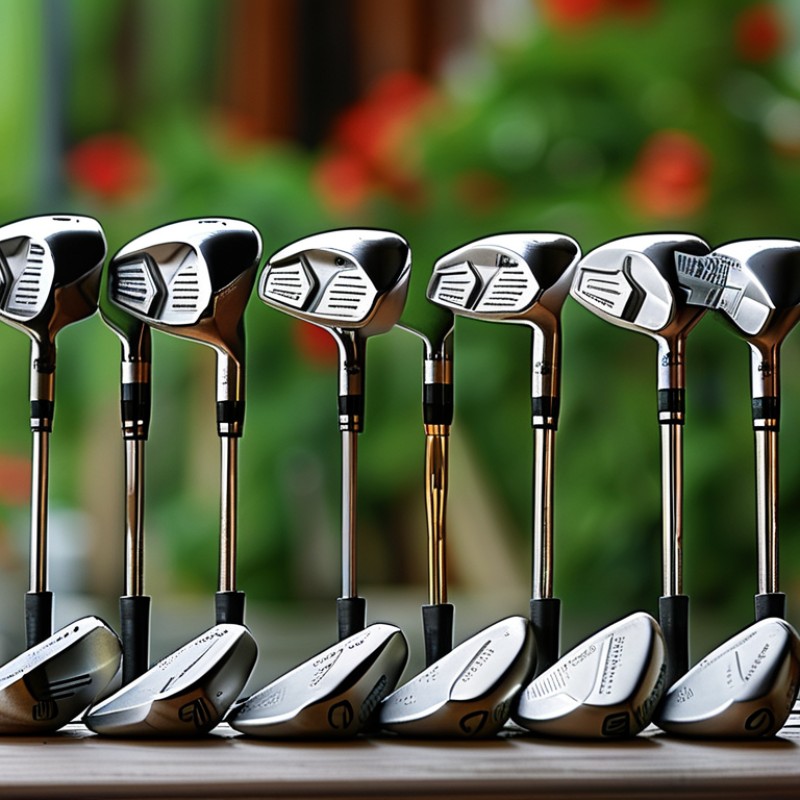
Understanding Your Skill Level and Swing Type
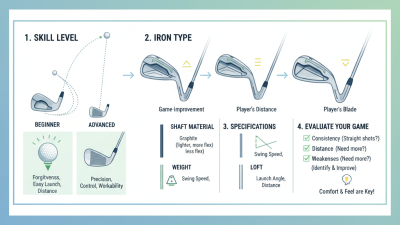
When choosing golf irons, understanding your skill level is crucial. Beginners often benefit from more forgiving clubs. These irons typically feature wider soles and larger clubheads. This design helps in making solid contact with the ball. Additionally, these clubs often come with a higher loft, making it easier to lift the ball into the air.
More advanced players might prefer a smaller clubhead. These clubs offer better control and shot shaping ability. They also allow for more precise strikes on the ball. However, they can be less forgiving on mishits. It's essential to evaluate your swing type too. Some golfers have a steep swing, while others have a more shallow path. Matching your clubs to your swing can enhance performance significantly.
Reflecting on your experiences can lead to better choices. Have you struggled with consistency? Perhaps it’s time to consider a different type of iron. Sometimes, even minor changes in your equipment can yield noticeable results. Crafting a set that complements your style may take time, but it’s worth the effort.
How to Choose the Best Golf Irons for Your Game? - Understanding Your Skill Level and Swing Type
| Skill Level |
Swing Type |
Iron Type |
Key Features |
| Beginner |
Neutral |
Game Improvement Irons |
Larger clubface, perimeter weighting, more forgiving |
| Intermediate |
Sweeping |
Players Irons |
Better control, thinner topline, enhanced feel |
| Advanced |
Aggressive |
Blade Irons |
Precision shot-making, low center of gravity, feedback on strikes |
| Senior |
Smooth |
Hybrid Irons |
High launch, lightweight, easier to hit |
| Junior |
Variable |
Youth Irons |
Shorter shaft lengths, lighter weight, colorful designs |
Exploring Different Types of Golf Irons and Their Features
Choosing golf irons can be overwhelming. There are many types, each with unique features. Understanding these variations is essential for improvement.
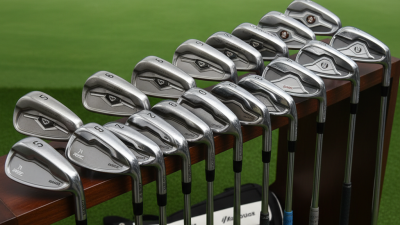
Players often choose between cavity-back and blade irons. Cavity-back irons are more forgiving. They help beginners and high handicappers achieve better shots. Blade irons, on the other hand, offer precision. They are favored by skilled players who desire control. Knowing your skill level is key.
Another important feature is the loft and lie angles. These angles affect how high and far the ball travels. Low-lofted irons help with distance, while high-lofted irons provide better control. Experimenting with these can refine your game. Many players overlook the importance of shaft material and length. Graphite shafts are lighter, suitable for those needing more swing speed. Steel shafts offer stability, ideal for stronger players.
It's crucial to recognize that the best choice depends on individual preferences and playing style. A fitting session with a professional can help. Players should not rush the process. Take time to reflect on what feels comfortable and effective. This journey towards finding the right irons is personal and ongoing.
Evaluating the Importance of Shaft Material and Flexibility
Choosing the right shaft material and flexibility is crucial for optimizing your golf performance. Graphite and steel are the two main materials used. According to the PGA's equipment data, graphite shafts are lighter and often enhance swing speed. This can be beneficial for players with slower swings. Steel shafts, while heavier, provide more feedback. This can aid in precision for skilled players.
Understanding shaft flexibility is equally essential. The flexibility rating affects how the club behaves during the swing. Stiffer shafts tend to be more accurate for faster swings, while more flexible shafts can add distance for those with slower swings. Research from the USGA indicates that almost 70% of golfers benefit from selecting a shaft that complements their swing speed.
Consider your skill level and playing style. If you struggle with consistency, consider a more flexible shaft. However, experienced players might prefer a stiffer option for control. Always test several options before making a decision. Pay attention to how each shaft feels during your swing. This awareness can significantly impact your performance.
Considering Brand Reputation and Reviews in Iron Selection
When selecting golf irons, brand reputation plays a crucial role. Well-established brands often invest in research, ensuring their products meet performance standards. According to the National Golf Foundation, about 56% of golfers prioritize the brand when purchasing new clubs. This emphasis on branding isn’t arbitrary; reputable brands often adhere to stringent quality controls.
User reviews add another layer of insight. A survey by Golf Datatech revealed that nearly 70% of consumers consider online feedback before buying. Reviews can highlight specific performance metrics, such as distance control and accuracy. This firsthand information can be invaluable, revealing potential issues that might not be evident from promotional materials.
However, it’s essential to balance this information. Not every high-rated iron will suit every player. Personal experience varies, and factors like playing style, skill level, and even comfort can influence how well an iron performs. A well-reviewed club might not fit perfectly with your swing mechanics. Carefully assess how much weight you give to brands and reviews, and remember that the best choice is one that resonates with your playing characteristics.
Golf Irons Performance Comparison
Trying Out Irons: Importance of Demo Days and Fitting Sessions
When selecting golf irons, attending demo days and fitting sessions is crucial. These events offer players a chance to try a variety of irons before making a decision. It's essential to feel how each iron performs in your hand. Often, players might think they know what they want, but trying different options reveals unexpected preferences.
During a fitting session, a professional can analyze your swing. They look at your grip, stance, and even your swing speed. This personalized feedback can lead to better choices. You may discover that certain irons give you more control or distance. Don’t shy away from asking questions. Understanding your choices matters.
Testing is vital. Hit several balls with different irons. Pay attention to how each one feels. A club that looks good may not suit your game. Reflect on how each option impacts your accuracy and comfort. This process helps refine your choice, even if it takes time. Sometimes, you may need to adjust your expectations based on performance. Embrace the learning experience; it ultimately enhances your game.