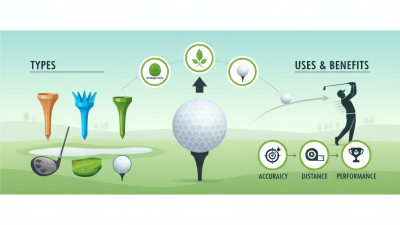
Learning how to tee off golf is a small moment with a large effect on a beginner’s confidence. The ball sits high, the fairway looks unusually wide, and every movement suddenly feels important. Yet a reliable opening shot does not require professional power. It requires a repeatable setup, balanced posture, and a calm pre-shot routine.
Industry data shows why beginner-friendly instruction matters. The National Golf Foundation reported 28.1 million on-course golfers in the United States during 2023, demonstrating the sport’s continuing reach. The R&A’s Golf Around the World report also recorded 66.6 million on-course golfers across 206 countries, excluding the United States and Mexico. These figures describe participation, not skill. Many new players still struggle with club selection, alignment, and contact. That gap deserves practical attention.
A strong tee-shot routine begins behind the ball. Pick a target, notice the wind, and choose a club that feels controllable. Then place the clubface behind the ball before building your stance. Keep your grip light enough to avoid tension, but secure enough to guide the club. Your first swing may slice. That is normal. It is also useful feedback.
This guide explains how beginners can tee off golf with better balance, safer technique, and realistic expectations. It draws on established coaching principles, golf participation research, and course-ready practice ideas. Progress may look ordinary: a straighter ball, a quieter finish, or one less rushed decision. Those small improvements count.
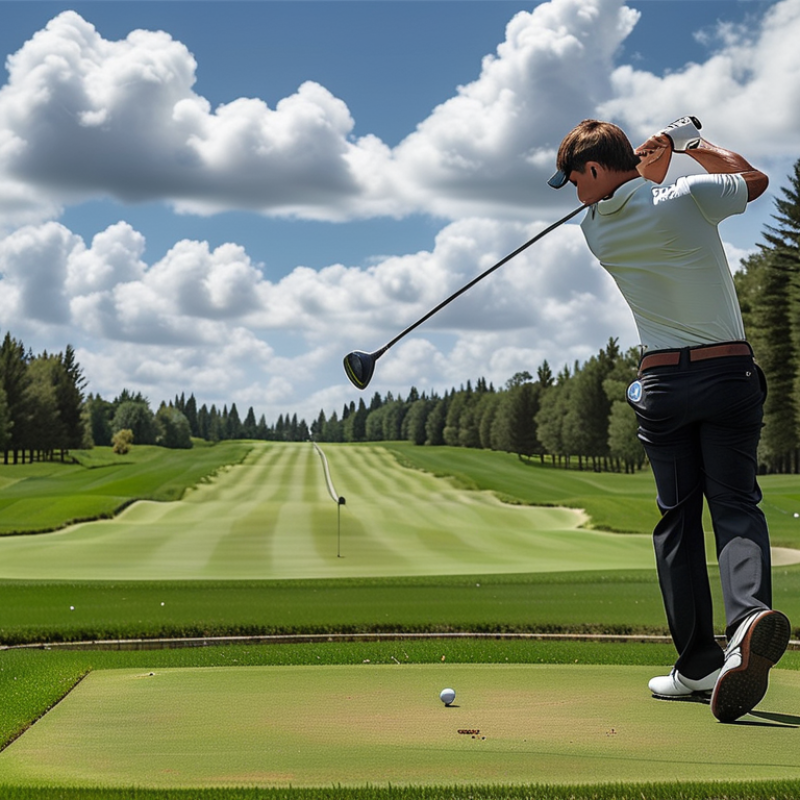
How to Tee Off in Golf for Beginners?
A tee shot starts each hole and sets up your next decision. Its purpose is not always maximum distance. A controlled shot can leave a clearer path to the green. On a practice tee, notice how a balanced swing often beats a harder swing. Beginners sometimes focus only on hitting far. I still make that mistake when pressure rises.
The teeing area lies between the two markers and extends two club-lengths behind them. Your ball must be played from inside this area. Stand beside the ball, not directly over it, and check your target before swinging. The ball becomes in play when you make a stroke. If it falls from the tee before a stroke, you may replace it without penalty. Play in the agreed order, and wait until the group ahead is safely clear. Never swing near another player.
Tips: Use a tee height that supports a comfortable address position. Place the ball forward in your stance for a driver-style swing. Keep your feet stable and your grip light. Aim at a specific tree or fairway edge. Breathe before starting. If the ball flies poorly, review your balance instead of blaming the equipment. A small aiming error can become a large miss. Practice a smooth finish, even when the result feels disappointing.
| Topic | Beginner Guidance | Purpose or Key Point | Common Mistake to Avoid |
|---|---|---|---|
| Purpose of a Tee Shot | The tee shot starts a hole. On a par-4 or par-5 hole, it is usually the first stroke; on a par-3, it is also commonly played from a tee. | To begin the hole from a prepared starting area and place the ball in a useful position for the next stroke. | Trying to hit as far as possible without considering accuracy, hazards, trees, or the fairway. |
| Choosing Tee Markers | Select a set of tees that allows you to reach the green in a reasonable number of strokes and keeps the round enjoyable. | Appropriate tees match a player's typical shot distance and skill level, not simply their age or handicap. | Automatically playing the longest tees, which can create unnecessarily long approach shots. |
| Positioning the Ball | For a driver, place the ball approximately opposite the inside of the lead heel. For shorter clubs, move it progressively closer to the center of the stance. | Ball position affects the point where the club meets the ball and helps promote suitable launch conditions. | Placing every tee shot in the same position regardless of the club being used. |
| Tee Height | With a driver, the top half of the ball is commonly positioned above the clubhead. With irons or fairway woods, use a lower tee height so the ball sits only slightly above the ground. | Tee height should support solid contact and the intended launch for the selected club. | Using a very high tee with an iron or a very low tee with a large-headed driver. |
| Stance and Alignment | Set the feet about shoulder-width apart, distribute balance evenly, and align the feet, hips, and shoulders parallel to the intended target line. | A stable setup gives the swing a predictable starting position and improves directional control. | Aligning the body directly at the target while the clubface points somewhere else. |
| Grip and Posture | Hold the club securely but without excessive tension. Bend from the hips, keep the back relatively straight, and allow the arms to hang naturally. | A neutral grip and balanced posture help the club return to the ball consistently. | Squeezing the grip tightly, rounding the back, or standing too close or too far from the ball. |
| Pre-Shot Routine | Choose a target, check the lie and hazards, make one or two relaxed practice motions, then step in and swing with a clear intention. | A repeatable routine can improve focus and reduce rushed decisions. | Taking many practice swings or changing the target after addressing the ball. |
| Swing Priority | Make a balanced swing with a smooth tempo. Beginners should prioritize centered contact and a predictable direction before maximum speed. | Consistent contact generally produces more useful results than an uncontrolled, hard swing. | Attempting to add distance by tightening the muscles or losing balance. |
| Strategic Target | Aim for the widest safe part of the fairway. If one side has water, out-of-bounds, or dense trees, favor the safer side. | Good course management reduces penalty risk and makes the next shot easier. | Aiming at the center of a hazard or choosing a target based only on the hole's total length. |
| Teeing Area | The ball must be played from within the teeing area, which is the rectangular area between the two tee markers and extending two club-lengths behind them. | The teeing area defines where the starting stroke may legally be played. | Teeing the ball in front of the markers or more than two club-lengths behind them. |
| Tee Marker Rule | When playing from a designated tee, the ball must be played from inside that teeing area. The player may stand outside it as long as the ball is inside it. | The ball's position determines whether the tee shot begins from the correct area. | Assuming both the player's feet and the ball must be entirely inside the teeing area. |
| Ball Falls from the Tee | If the ball falls off the tee before the stroke is made, it may generally be re-teed without penalty when the ball was not yet in play. | This situation is different from making a stroke at the ball. | Counting a penalty automatically without checking whether a stroke was actually made. |
| Whiffed Tee Shot | If the player makes a stroke and misses the ball, the stroke counts. The ball may not be re-teed simply because it was missed. | A stroke is counted when the club is intentionally moved forward to strike the ball, even if there is no contact. | Believing that a complete swing without contact does not count as a stroke. |
| Out of Bounds | If the ball is out of bounds, the usual penalty is stroke and distance: add one penalty stroke and play again from the previous spot. | Out-of-bounds shots can significantly affect scoring and strategy. | Playing the ball from where it crossed the boundary without applying the required procedure. |
| Penalty Area | If the ball enters a marked penalty area, options may include playing it as it lies or taking a relief option with one penalty stroke, subject to the applicable rules. | Penalty-area relief is different from out-of-bounds relief and depends on the ball's location and available options. | Assuming every lost ball is treated exactly like an out-of-bounds ball. |
| After the Shot | Watch the ball's flight, note its likely landing area, and keep up with the group ahead. Follow local safety instructions before hitting. | Awareness protects other players and supports a smooth pace of play. | Hitting before the landing area is clear or failing to warn others when a ball may endanger them. |