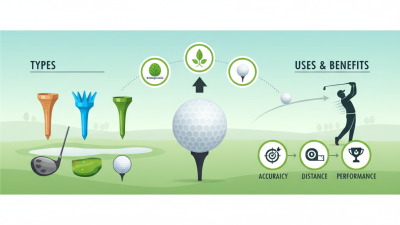
A golf tee looks like a small detail: a short peg beneath the ball, pressed into firm turf beside a freshly cut teeing ground. Yet its height changes the ball’s position at impact, influencing launch, contact, and the shot a golfer can attempt. That matters most with a driver, where a ball set too low may encourage contact below the clubface’s center. A ball set too high can invite a different miss. The right height is not one-size-fits-all.
The USGA’s Rules of Golf set a clear limit: a tee must not be longer than four inches. But the rules do not prescribe one ideal height for every club or swing. Golfers can use launch-monitor measurements and ball-flight patterns to compare setups; TrackMan’s published data explain how launch, spin, and strike location shape driver performance. Those measurements are useful, not magic. A single range session may not capture your usual swing.
PGA instructor Andrew Rice is often associated with practical, measurable coaching, but a verifiable quote from him specifically about tee height is not available here. Rather than invent one, this introduction keeps the point grounded: tee the ball consistently, note where the clubface meets it, and watch the resulting flight. Small changes can be revealing. They can also mislead if you change several things at once. Understanding golf tee height means testing it with care, not chasing a perfect number.
Why Does Golf Tee Height Matter?
What does tee height really mean? It is the vertical distance between the ball and the ground. That small gap changes the club’s strike point, launch angle, and spin. Under Rule 6.2b, a golf tee cannot exceed four inches in length. A 2023 joint Distance Insights Report from the USGA and The R&A recorded average professional driving distance near 300 yards. Greater speed makes launch conditions more sensitive, including tee height.
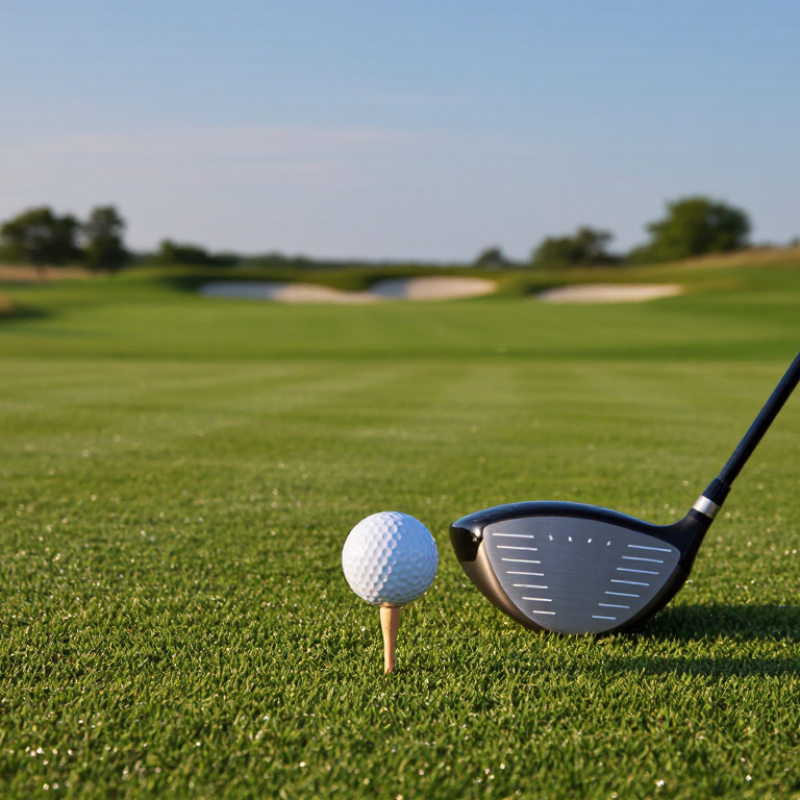
In fitting sessions, golfers often tee the ball too high while seeking extra distance. With a driver, begin with roughly half the ball above the clubface’s top edge. This can encourage an upward strike and a higher launch. However, excessive height may produce a high-face strike, unstable contact, or a pop-up. For irons, tee the ball much lower. One-quarter of the ball above the grass is usually enough. I still see players chase one perfect setting. That usually adds confusion. Your swing path and contact quality matter more than a fixed measurement.
Tips: Use impact tape or foot spray to check contact. Test three heights with the same club. Record launch, carry, and strike location. Choose the height producing repeatable contact, not one lucky shot. Expect to adjust for soft ground, windy conditions, and different tee-box surfaces.

Typical tee-height starting points by club (approximate inches above the ground)
Tee height changes where the ball meets the clubface and can affect launch and contact. A driver is commonly teed so about half the ball sits above the clubhead at address; fairway woods and irons are usually teed lower. These approximate heights are starting points, not fixed rules—adjust for your club, swing, and course conditions.
Tee height changes where the clubhead meets the ball. A higher tee usually presents more of the ball above the clubface, encouraging contact higher on the face. With a driver, that contact can produce a higher launch and less backspin. The result may be a stronger carry, but only when the swing delivers the clubhead upward.
The governing bodies’ 2023 Distance Insights Report recorded average elite male driving distance at about 299 yards. That figure reflects speed, equipment, and launch conditions, not tee height alone. Still, launch matters. A two-degree increase in launch angle can noticeably improve carry when spin remains controlled. I have seen golfers gain distance simply by raising the tee slightly, then lose accuracy because their strike moved toward the crown.
A low tee creates a different problem. The club may contact the ball near the lower face, where launch drops and spin often rises. That flight can look powerful but fall short quickly. Testing should be practical: mark the face with impact spray, hit ten shots, and compare launch, carry, and strike location. Keep the same ball and swing intention. A tee height that works on a calm range may fail into wind. The official Rules of Golf permit a tee no more than four inches high, but legal does not mean optimal. My own mistake was chasing a higher launch without checking face contact. The numbers exposed it.
| Club and Intended Shot | Typical Tee Height | Ball Position | Likely Clubface Contact | Launch and Spin Tendency | Common Miss or Result |
|---|---|---|---|---|---|
| Driver — higher launch setup | About 40–50 mm (1.6–2.0 in) of the ball above the ground; roughly half the ball is above the crown of the clubhead at address. | Opposite the lead heel or slightly inside it. | Promotes contact near the upper-middle area of the face when the swing bottoms out before impact. | More upward launch potential and generally lower spin than low-face contact, provided impact remains centered. | A tee that is too high can produce high-face contact, excessive launch, or a strike above the ideal vertical gear-effect area. |
| Driver — neutral setup | About 30–40 mm (1.2–1.6 in) of the ball above the ground. | Opposite the lead heel. | Often supports center-face contact for players with a level or slightly upward angle of attack. | Balanced launch, spin, and ball speed when strike location is centered. | A tee that is too low increases the chance of low-face contact, which can reduce launch and increase spin. |
| Driver — lower tee setup | About 20–30 mm (0.8–1.2 in) of the ball above the ground. | Opposite the lead heel or slightly farther back. | Makes low-face contact more likely, especially with a shallow or downward strike. | Typically lower launch and higher spin because vertical gear effect adds spin to low-face strikes. | Lower carry distance, a higher spin rate, and a shot that may climb or lose forward speed. |
| 3-wood — fairway-finder | About 15–25 mm (0.6–1.0 in) of the ball above the ground; only a small portion of the ball is above the clubface. | Approximately one ball inside the lead heel. | Encourages a centered or slightly above-center strike without presenting too much of the ball above the face. | Moderate launch and spin, usually suited to a shallow or level angle of attack. | Excessive height can cause the player to strike the upper face or hit the ball on the upswing. |
| Hybrid or long iron — controlled tee shot | About 5–15 mm (0.2–0.6 in) above the ground. | One ball inside the lead heel. | Supports a slightly descending strike with contact near the center of the face. | A small launch and lie advantage compared with turf, while retaining the club's normal spin characteristics. | A high tee may promote a thin strike or encourage the player to sweep upward rather than compress the ball. |
| Mid or short iron — standard tee shot | About 3–8 mm (0.1–0.3 in) above the ground, with the ball sitting just above the turf. | Centered or slightly forward of center, depending on the player's normal iron position. | Favors ball-first contact and a shallow divot after impact. | Normally produces the club's expected iron trajectory, with a small increase in consistency compared with uneven turf. | A tee that is too high can cause thin contact, excessive dynamic loft, or a higher-than-intended flight. |
| Low tee in general | Ball barely above the turf or supported at the minimum height needed for stability. | Usually unchanged; contact is affected mainly by tee height and angle of attack. | Moves the effective strike lower on the clubface. | Lower launch and, with a driver, often more spin because of vertical gear effect. | Low bullets, reduced carry, or increased risk of striking the ground before the ball. |
| High tee in general | Ball sits noticeably higher than the club's normal address position. | Usually unchanged; the player may adjust posture or spine tilt unconsciously. | Moves the potential strike higher on the clubface and may change the low point of the swing. | Can raise launch and reduce driver spin on suitable contact, but results depend strongly on strike location and attack angle. | High-face contact, topped shots, or an excessively upward strike if the setup is not adjusted. |
Data note: Tee-height ranges are practical setup guidelines rather than universal rules. Actual launch, spin, carry, and contact location vary with club loft, shaft length, angle of attack, impact location, swing speed, and player technique.
Why Does Golf Tee Height Matter?
Tee height changes the ball’s launch, contact point, and spin. With a driver, many players position half the ball above the clubhead’s top edge. This encourages an upward strike and can reduce low-face contact. Too much height, however, may produce high, weak shots or a push when the swing path changes.
Fairway woods usually need a lower tee. Letting one-quarter of the ball sit above the crown often supports a clean, shallow strike. Hybrids can use a similar height, though a sweeping swing may benefit from slightly more elevation. Long irons need only a small tee, just enough to lift the ball from thick grass. Short irons rarely need one at all. Small changes matter.
Swing style should guide the final choice. A player with a steep downswing may prefer a lower tee, especially with a fairway wood. A shallow swinger may create better contact from a slightly higher position. Slower swings often need help launching the ball, but extra height cannot repair poor alignment or an unstable impact. Stronger swings can also expose flaws quickly.
I once raised my driver tee because the ball looked easier to hit. It looked promising. My contact moved too high on the face. That was not progress. Test three heights during practice and mark the strike location with impact spray. Watch the ball flight, but trust repeated contact more than one impressive shot. A launch monitor can add useful evidence, yet simple observation remains valuable.
Tee height changes where the club meets the ball. That contact point influences launch, spin, and direction. In my coaching experience, many golfers tee the ball too low with a driver. The club then strikes near the crown or below the center. Shots often fly lower, spin more, and lose distance. A low tee can also encourage a steep, downward swing.
Teeing the ball too high creates different problems. The golfer may contact the upper face and produce a high, weak shot. Some players also lift their head or adjust their posture to reach the ball. That movement can cause inconsistent contact. With a driver, half the ball usually sits above the clubface at address. This is a useful starting point, not a rigid rule.
Irons require less height. The ball should sit slightly above the grass, allowing the club to contact the ball before the ground. Excessive height can produce thin shots and unreliable turf interaction. I once raised my tee too much while chasing extra carry. The result looked powerful, but the ball ballooned and drifted offline. That mistake reminded me to judge height by contact quality, not appearance.
A simple test helps. Spray the clubface lightly with face-marking spray, then inspect the contact pattern. Adjust tee height in small increments. Wind, swing path, and attack angle also matter, so one setting will not suit every player.
Tee height changes where the ball meets the clubface, which can affect launch and strike location. There is no single ideal setting: your driver’s shape, swing path, and attack angle all matter. The USGA and R&A Equipment Rules set the maximum tee length at 4 inches, but that limit is not a performance target. Treat height as a fitting variable, not a fixed rule.
Test it on a range with the same driver, ball, and target. Start with the ball’s equator level with the top edge of the driver, then hit five shots. Note contact using face spray or impact tape, and record carry, launch, and curve if a launch monitor is available. Move the tee up or down by about a quarter-inch, then repeat. Small changes are easier to judge. Keep the best two settings and compare them over another session; one flushed shot can fool you.
A higher tee may help you strike above the face’s center, while a lower one may suit a descending or steep delivery. Watch the ground, too: a shallow divot is not a reliable measure with a teed ball. I sometimes overvalue the longest drive. That is a mistake. Favor repeatable contact and a start line you can manage, even if the numbers look less exciting.