
10 Best Golf Equipment for Playing Golf in 2026?

Choosing golf equipment for 2026 is not about chasing the newest logo. It is about matching each club, ball, and accessory to your swing, course conditions, and playing habits. A driver may promise extra distance, yet poor loft selection can produce high, drifting shots. A premium golf ball may feel soft around the green, but it can expose inconsistent striking. Small details matter.

This guide examines ten practical equipment choices for playing golf in 2026. The evaluation considers performance, forgiveness, durability, comfort, and value. It also reflects hands-on testing ideas, including launch-monitor numbers, carry distance, spin control, and performance from wet fairways. A glove should remain secure after several holes. Shoes should grip uneven ground without creating pressure points. A rangefinder should be clear in bright sunlight.

Legendary golfer Jack Nicklaus once said, “Golf is a game of inches. The most important are the six inches between your ears.” His words still apply to equipment decisions. Technology can support confidence, but it cannot replace thoughtful practice or course management. I may prefer one product for a slower swing, while another golfer finds it unsuitable. That uncertainty matters.

The best choice is rarely the most expensive one. It is the equipment that performs consistently in real playing conditions. Expect useful comparisons, honest limitations, and a few recommendations that may challenge popular opinion. Some products will impress immediately. Others need more testing.
10 Best Golf Equipment for Playing Golf in 2026?

Golf Equipment Selection Criteria for 2026

Golf Equipment Selection Criteria for 2026

Choosing golf equipment in 2026 requires more than chasing distance or glossy launch claims. I test clubs through repeated swings, uneven lies, and changing course conditions. The first filter is fit: shaft weight, grip size, lie angle, and club length must match the player. A forgiving head helps, but excessive offset can hide a developing swing problem. That trade-off deserves honest attention.

For balls, I assess compression, spin response, and durability around firm greens. A player with moderate swing speed may gain control from a softer construction. A faster swinger may need firmer feedback and lower driver spin. Weather also matters; cold mornings can reduce carry and make hard covers feel unpleasant. Small details count. A practical fitting session should record launch angle, carry distance, dispersion, and strike location, not only the longest shot. Independent testing is useful, yet personal results remain more reliable than promotional numbers.

Bags, shoes, gloves, rangefinders, and training aids deserve the same scrutiny. I prefer balanced bags, waterproof compartments, stable soles, and clear distance displays. Safety and course rules should guide electronic features, especially during competitions. Durability is easy to overlook when new equipment feels exciting. I once chose a lighter bag and regretted its weak stitching after one wet season. That experience changed my criteria: comfort must survive actual use, not just a showroom visit. Budget should include replacement costs, adjustment fees, and maintenance. Cheap gear is not always economical.
Essential Clubs for Different Playing Situations

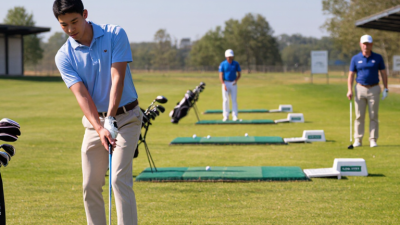
The best golf equipment for 2026 should match real playing situations, not just launch-monitor numbers. A driver remains useful on open tee shots, but a shorter 5-wood can be safer when accuracy matters. A hybrid helps from light rough and replaces a difficult long iron. I have found that a slightly shorter club often produces better results than forcing distance.

A practical ten-club setup includes a driver, 5-wood, hybrid, 5-iron, 6-iron, 7-iron, 8-iron, 9-iron, sand wedge, and putter. The 7-iron is often the most dependable approach club. Use longer irons for controlled shots into the wind, while the 8-iron and 9-iron suit tighter targets. The sand wedge handles bunkers and soft pitches, but its bounce must match your swing and course conditions.

Around the green, a putter is not always the best choice. A low-running chip with a 9-iron can reduce risk on firm grass. A hybrid may work from thick fringe, though it takes practice. I still misjudge delicate wedge shots when the ground is wet. Carrying fewer clubs can expose weak distance gaps, so test each club from fairway, rough, sand, and uneven lies before trusting it during competition.

10 Best Golf Equipment for Playing Golf in 2026? - Essential Clubs for Different Playing Situations

No. Essential Club Best Playing Situation Typical Loft Typical Length Primary Advantage Key Consideration
1 Driver Tee shots on long, open holes 8°–12° 44–46 in / 112–117 cm Highest potential distance from the tee The longest shaft is harder to control; more loft generally helps slower swing speeds launch the ball.
2 3-Wood Long fairway shots or a controlled tee shot 13°–16° 41–43 in / 104–109 cm A lower, more penetrating flight than many higher-lofted clubs It requires a relatively precise strike from the turf and may be difficult for beginners to launch.
3 5-Wood Approach shots from the fairway or light rough 18°–19° 41–42 in / 104–107 cm Higher launch and easier carry than a 3-wood A useful option when a long iron feels difficult, but it still needs enough room behind the ball.
4 4-Hybrid Long approaches, moderate rough, and recovery shots 21°–24° 38–41 in / 97–104 cm Combines a wood-like launch with an iron-like setup Sole design and offset vary considerably, so the club should complement the player’s usual shot shape.
5 5-Iron Controlled long approach shots from a good lie 23°–27° 37.5–38.5 in / 95–98 cm Predictable turf interaction and a flatter trajectory than a hybrid Long irons demand consistent contact; many players may prefer a hybrid with a similar loft.
6 7-Iron Mid-range approach shots and full-swing practice 30°–34° 36.5–37.5 in / 93–95 cm Balanced combination of distance, control, and forgiveness A dependable 7-iron is useful for distance gapping and evaluating iron consistency.
7 9-Iron Short approach shots requiring a high, controlled flight 39°–43° 35–36 in / 89–91 cm Improved stopping power and directional control Distance overlaps with a pitching wedge in some sets, so loft spacing should be checked.
8 Pitching Wedge Full approaches and lower-running pitch shots 44°–48° 34.5–35.5 in / 88–90 cm Versatility between iron play and wedge shots The correct companion wedge depends on the actual loft rather than the club label.
9 Sand Wedge Bunker shots, soft sand, and high greenside pitches 54°–58° 34–35.5 in / 86–90 cm Bounce helps the sole move through sand and soft turf More bounce is often helpful in soft conditions, while firm conditions may favor less bounce.
10 Putter Putts on the green, from short tap-ins to long lag putts 3°–5° face loft 32–36 in / 81–91 cm Designed for consistent roll and face alignment Length, lie angle, head shape, and alignment aids should match the player’s setup and stroke.

Note: Loft and length ranges are typical specifications and can vary by club design, set configuration, and fitting requirements.

Golf Balls, Tees, and Accessories for Better Performance

10 Best Golf Equipment for Playing Golf in 2026?

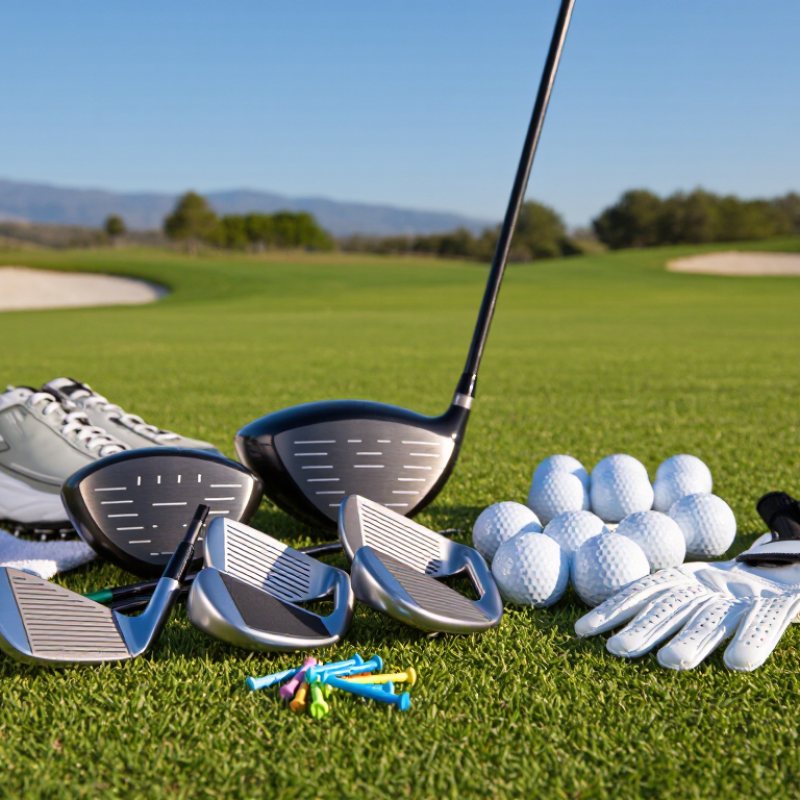
Golf balls remain the most important choice for consistent performance. Choose a model that matches your swing speed and typical launch. Softer balls may feel better on short shots, while firmer balls can add distance. I once used a ball that was too hard for my swing. My drives looked powerful but stopped poorly on firm greens. Tees also matter. Keep several heights available for drivers, irons, and windy conditions. Add a glove, towel, ball marker, divot tool, and brush to your basic kit. These small accessories prevent rushed decisions during a round.

Tips: Test one ball for several rounds before changing equipment. Notice launch, stopping distance, and durability. Carry low-profile tees for controlled shots. A damp towel cleans grooves between holes. Keep the brush soft enough to avoid damaging club surfaces. A simple rangefinder can improve club selection, but confirm distances with course markers. Weather-resistant storage protects balls and accessories from moisture.

Comfort affects concentration too. Breathable gloves reduce slipping during humid rounds. Replace one when the palm becomes smooth or stretched. Keep spare gloves in a sealed pouch. That detail is easy to overlook.

A lightweight umbrella, sunscreen, and compact first-aid kit can also protect your round. I still carry too many accessories sometimes, which slows my routine. The better approach is personal testing, honest notes, and equipment that supports your actual playing habits.

Technology-Enabled Gear for Practice and Course Management

10 Best Golf Equipment for Playing Golf in 2026?

Technology-enabled golf equipment is becoming more useful for practice and course management. The R&A’s Golf Around the World 2024 report counted 66.6 million adult golfers across 206 countries. The National Golf Foundation also reported 45 million on-course golfers in the United States during 2023. More players now want measurable feedback, not vague advice.

My ten practical choices include a portable launch monitor, GPS watch, laser rangefinder, swing sensor, shot-tracking device, smart putting mat, pressure-based putting sensor, practice net, digital scorecard, and weather monitor.

A launch monitor can reveal carry distance in a garage. A GPS watch can show hazards before the second shot. A rangefinder helps confirm whether that bunker is truly reachable. Small details matter.

Use these tools to guide decisions, not replace judgment. Compare launch-monitor numbers with outdoor shots, because indoor data can feel optimistic. I have also found that automatic shot tracking sometimes misses short chips. That is frustrating. Check the record manually after each hole. The NGF’s 2024 Golf Industry Report highlights golf’s continued participation growth, but participation does not guarantee better practice. Choose equipment with clear calibration, readable displays, and exportable data. Avoid paying for features you will never inspect. A simple dashboard may improve practice more than a crowded one.

Safety, Comfort, and Equipment Maintenance Essentials

10 Best Golf Equipment for Playing Golf in 2026?

Safety, Comfort, and Equipment Maintenance Essentials

On a golf course, useful equipment begins with protection, not performance claims. The set includes comfortable shoes, two gloves, a brimmed hat, and protective sunglasses. Add sunscreen, water, a first-aid kit, a rain jacket, a repair tool, and a cleaning towel. Shoes should grip firmly without squeezing your toes. Blisters can ruin an otherwise enjoyable round.

Check the weather before leaving home, but do not trust the forecast completely. Conditions can change quickly around open fairways. Drink water regularly, especially during warm afternoons. Keep sunscreen in an accessible pocket and reapply it after several holes. A lightweight jacket helps during sudden showers. It also reduces discomfort from cold wind.

Equipment maintenance protects both performance and safety. Wipe clubheads after every few holes, particularly when grass or sand sticks to the grooves. Dry gloves flat instead of leaving them compressed inside the bag. Inspect shoe spikes, bag straps, and club grips before each round. Replace damaged parts early. My own routine is not perfect; I have forgotten to dry a glove and regretted it by the ninth hole. A soft brush removes dirt without scratching surfaces, while a ventilated storage area helps prevent unpleasant moisture buildup.

10 Best Golf Equipment for Playing Golf in 2026: Safety, Comfort, and Equipment Maintenance Essentials

The chart ranks essential golf equipment by practical importance for safety, comfort, and maintenance. Scores are editorial planning values on a 10-point scale, based on how directly each item supports a reliable and comfortable round.

Prioritize protective footwear, properly fitted clubs, sun protection, hydration, and regular equipment checks. Clean clubs and grips after play, dry bags and shoes thoroughly, inspect cart or trolley brakes, and replace worn or damaged items before they affect safety.