How to Win a Club Championship Golf Tournament Successfully?
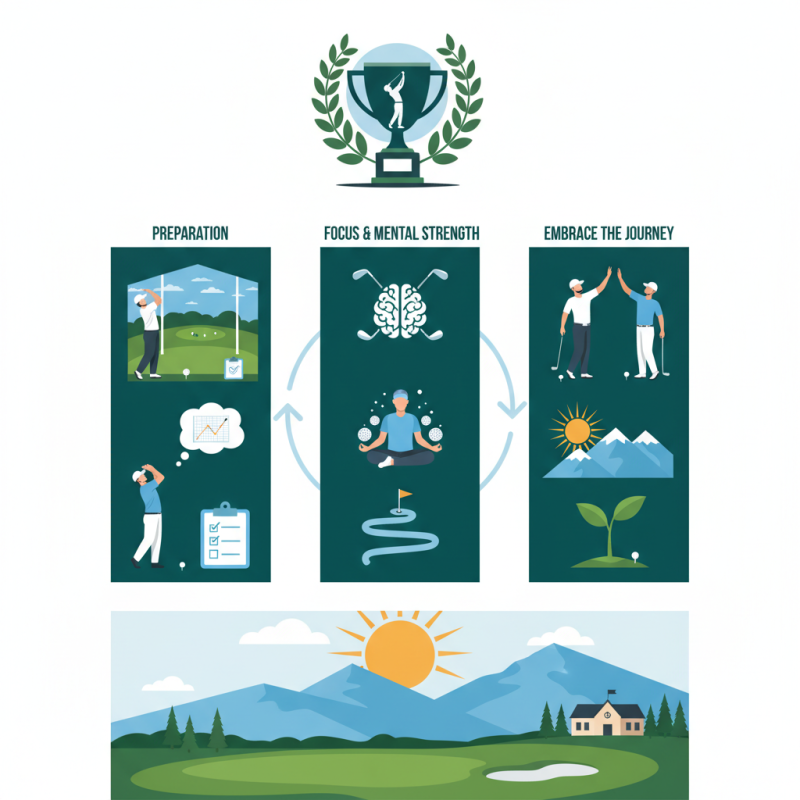
Winning a club championship golf tournament is no small feat. It requires preparation, focus, and mental strength. Many golfers dream of lifting that trophy. However, the journey to success can be filled with challenges. You might feel pressure from fellow competitors or even from your own expectations.
The importance of practice cannot be overstated. Take note of your strengths and weaknesses. Analyze your performance after every round. This reflection can lead to improvement. Remember that even the best players make mistakes. It's how you respond to these mistakes that counts. Focus on your game rather than the outcome.
Additionally, building a strong mental game is crucial. Visualize your shots and maintain a positive attitude. Gather support from fellow club members. They can offer encouragement during tough times. Embrace the ups and downs of the competition. After all, the club championship golf tournament is not just about winning; it’s about growth and learning from each experience.
Understanding the Club Championship Format and Requirements
Understanding the club championship format is crucial for success. Most clubs follow a match play or stroke play format. Match play pits players against each other, while stroke play counts total strokes. According to the USGA, about 60% of tournaments utilize stroke play due to its popularity. Knowing the specific format helps in strategizing effectively.
Requirements can vary significantly between clubs. Many tournaments require players to have an active handicap index. The USGA emphasizes that this index is vital for fair competition. Players often overlook the need for pre-tournament rounds, which can pose a disadvantage. It might be tempting to skip practice rounds; however, doing so could lead to unexpected challenges during the tournament.
Preparation also includes understanding the rules. Familiarize yourself with the USGA rules, as ignorance can lead to penalties. A study indicated that roughly 30% of golfers incur penalties due to rule misunderstandings. Such mistakes can cost you a match. Reflecting on past experiences can guide better decision-making. Embrace the learning curve, and remember that every tournament is a chance to improve.
Key Strategies for Effective Practice Leading Up to the Tournament
Effective practice is crucial before a club championship golf tournament. Create a structured schedule. Dedicate time to both driving and putting. Spend at least one hour hitting the range, focusing on your swing mechanics. Make sure to track your progress. Keep a journal of your shots. This will help identify areas for improvement.
Include on-course simulations in your practice. Play practice rounds under tournament conditions. Invite friends to act as competitors. This adds pressure and simulates the real experience. Reflect on your performance after each round. Were you able to handle stress? How did you react to mistakes?
Lastly, prioritize mental preparation. Visualize your shots before hitting. Picture yourself achieving your goals. However, don’t overlook the reality of frustration. Sometimes, despite all efforts, results won’t meet expectations. Embrace those reflections and learn from them.
Mental Preparation Techniques to Enhance Performance on the Course
Mental preparation is crucial for success in a club championship golf tournament. Visualization techniques can enhance your focus and performance on the course. Picture yourself walking down the fairway, feeling the sun on your back. Imagine the satisfying sound of a well-hit ball soaring through the air. This exercise helps in building confidence and reducing anxiety.
Breathing exercises are another effective method. A few deep breaths can calm your mind and steady your nerves. Try inhaling for a count of four, holding for four, and exhaling for four. This practice can ground you, especially if you feel overwhelmed. Reflect on past rounds where you struggled; what went wrong? Identifying those moments can offer valuable lessons.
Incorporating positive affirmations can reinforce a winning mindset. Tell yourself, “I am capable.” Repeat these phrases regularly, even when doubts creep in. Golf is as much a mental game as it is physical. Failures and mistakes on the course can serve as powerful reminders to stay resilient. Finding strength in vulnerability may lead to greater success.
Tips for Managing Tournament Day Stress and Maintaining Focus
Managing tournament day stress is crucial for golf success. Research shows that about 70% of amateur golfers feel significant anxiety when they compete. This stress can impact performance. It’s essential to develop strategies to maintain focus and calm.
Practicing mindfulness techniques can help. Simple breathing exercises can reduce anxiety. Studies suggest that just a few deep breaths before a shot can improve focus. Visualizing successful shots also helps. Imagine the perfect swing and the ball landing on the green. This technique boosts confidence.
Preparation is key too. Arriving early allows time to acclimatize to the course. Familiarity with the layout can ease uncertainty. Bring a small notebook to jot down thoughts or reminders. It’s okay to feel nervous; acknowledging it can make it less overwhelming. Concentrate on the process, not the outcome. Aim for improvement, not perfection. Reflecting on past tournaments may reveal patterns in behavior that need adjustment. Keep it simple and enjoy the game.
How to Win a Club Championship Golf Tournament Successfully? - Tips for Managing Tournament Day Stress and Maintaining Focus
| Tip |
Description |
Benefits |
Example |
| Practice Routine |
Establish a consistent practice schedule leading up to the tournament. |
Improves skill consistency and boosts confidence. |
Daily range sessions focusing on driving and short game. |
| Mental Preparation |
Use visualization techniques to imagine successful shots and outcomes. |
Enhances focus and reduces anxiety during the event. |
Visualize making putts on the 18th green for the win. |
| Nutrition & Hydration |
Stay properly hydrated and eat a balanced meal before the tournament. |
Increases energy levels and keeps focus sharp. |
Consume a mix of proteins and carbohydrates before tee-off. |
| Breathing Techniques |
Practice deep breathing to calm nerves and maintain composure. |
Helps to lower heart rate and reduce stress. |
Take deep breaths before each shot. |
| Positive Self-Talk |
Use affirmations to boost confidence during the game. |
Improves mental toughness and resilience. |
Repeat phrases like "I am capable" or "I can do this" throughout the day. |