Why Take Golf Lessons to Improve Your Game and Boost Confidence?
Golf is a sport enjoyed by many, yet not everyone plays at their best. Many golfers struggle with their swings and techniques, leading to frustration on the course. This is where golf lessons come into play. They offer a chance to learn, practice, and improve. The right golf lessons can target specific areas of need, from grip to stance.
Taking lessons also brings a sense of accountability. When working with a pro, you gain insights into your game. A coach points out flaws you may not notice. They offer constructive criticism and motivation. Yet, it’s important to remember that improvement takes time and effort. Not every lesson will yield instant results, and some concepts may be challenging.
Ultimately, golf lessons can significantly boost your confidence. They help transform doubts into skills. Golfers start to feel more comfortable and capable on the course. With practice and guidance, potential is unlocked. To play your best, investing time in golf lessons is invaluable.

Benefits of Professional Golf Lessons for All Skill Levels
Taking professional golf lessons can transform your game, no matter your skill level. According to a survey by the PGA, 80% of golfers who receive lessons improve their scores significantly. This improvement often leads to heightened self-confidence, which is key in a game that demands precision. Whether you are a beginner or a seasoned player, understanding your weaknesses is crucial. Lessons help identify these areas.
Many golfers struggle with their swing, putting, or course management. A report from the National Golf Foundation emphasized that players who actively seek instruction are 50% more likely to enjoy the game. They learn proper techniques and gain strategy insights. Imagine trying to fix a swing flaw all on your own. It can be frustrating and time-consuming. By engaging with a professional, you receive immediate feedback. This opportunity promotes not just skill enhancement, but mental growth.
Moreover, developing a routine through lessons can become part of your journey. Every session may not lead to instant improvement; some may reveal hard truths about your game. Still, each lesson provides valuable lessons. Coaches help you navigate the intricacies of golf, making progress steady but challenging. Embracing this process can ultimately reshape how you view both the game and yourself.
Why Take Golf Lessons to Improve Your Game and Boost Confidence?
| Skill Level |
Benefits of Lessons |
Expected Improvement |
Confidence Boost |
| Beginner |
Fundamentals of the game, grip, stance |
Improvement in swing consistency |
Significant confidence boost |
| Intermediate |
Course management, shot selection |
Lower scores and better game strategy |
Enhanced self-assuredness in play |
| Advanced |
Fine-tuning techniques and mental game |
Increased precision and control |
Confidence in competitive scenarios |
| Competitive |
Game analysis and specialized drills |
Sharpens competitive edge |
Increased confidence against peers |
Understanding the Fundamentals: Key Techniques to Improve Your Game
Golf is a sport that demands precision and skill. Understanding the fundamentals is crucial. The grip, stance, and swing mechanics form the foundation of your game. According to a study by the National Golf Foundation, about 46% of golfers feel that improving their swing can significantly enhance their performance. Learning these key techniques can lead to noticeable improvements.
The grip is often overlooked. An improper grip can lead to inconsistent shots. Players should focus on their thumb placement and pressure. The stance should align with your shoulder width, providing balance. Many beginners struggle with this and it often results in poor contact with the ball. Regular practice and lessons can help rectify these mistakes.
Swing mechanics also require attention. A survey found that 75% of golfers believe that even minor adjustments could improve their game. These adjustments often include proper weight transfer and follow-through. Ignoring these details leads to frustration. Recognizing and addressing these fundamentals can build confidence, both in your ability and in your game. Mastering them takes time and effort, but the rewards are worthwhile.
Impact of Golf Lessons on Game Improvement and Confidence Boost
This chart displays the improvement in skill and confidence levels among golfers who participated in lessons over a period of six months. As seen, both skill and confidence levels increased considerably with continued training and practice.
Building Confidence Through Structured Learning and Practice
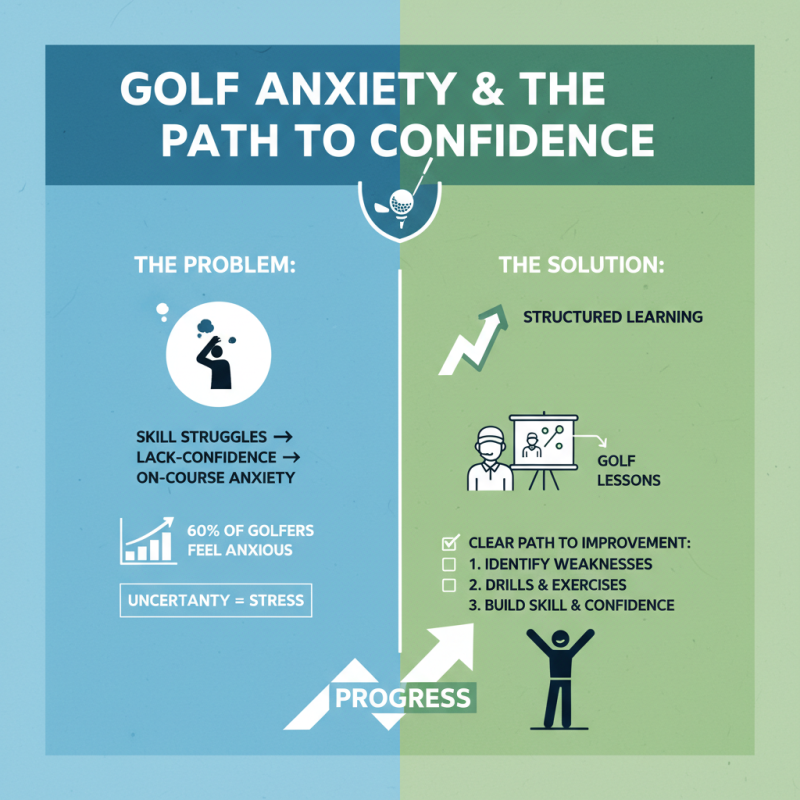
Golf can be an intimidating sport. Many players struggle with their skills, which affects their confidence. Structured learning is essential. Lessons provide a clear path to improve performance. They help identify weaknesses and provide exercises to fix them. According to a recent report, 60% of golfers experience anxiety on the course. This anxiety often comes from uncertainty in their skills.
Tips: Focus on one aspect each lesson. Whether it's grip or stance, concentrate deeply. Practice consistently to reinforce what you've learned. Short, focused sessions can yield better results than lengthy practice.
Building confidence does not happen overnight. It requires patience and effort. Players often face plateaus in their progress. It's crucial to reflect on your practice. Journal your thoughts after each session. Note what worked and what didn’t. This self-reflection guides improvement. Embrace mistakes as learning opportunities. They are part of the journey.
Tips: Set small, achievable goals. Celebrate victories, no matter how minor. Visualize your success on the course. This technique can enhance your confidence dramatically.
How Personalized Feedback Enhances Your Golfing Experience
Taking golf lessons can significantly enhance your game. Personalized feedback is a key factor in this improvement. A 2021 report from the National Golf Foundation noted that players who receive tailored instruction improve their skills 30% faster than those who don’t. This statistic underscores the value of individualized coaching, focusing on your unique strengths and weaknesses.
During lessons, instructors observe your stance, grip, and swing mechanics. They provide real-time adjustments to improve your technique. Skilled feedback can lead to immediate changes. Many players find themselves frustrated with mistakes that recur without guidance. After a few lessons, many report seeing evolution in their game.
Reflecting on your learning process is equally important. Not every tip will resonate with every player. Some advice may seem counterintuitive at first. Analyzing your performance video can spark new insights. This kind of reflection helps develop a deeper understanding of your game. The ups and downs of improvement remind us that golf is as much a mental game as it is a physical one.
Setting Goals and Tracking Progress in Golf Improvement Programs
Setting clear goals is essential for improvement in golf. When you establish specific targets, you create a roadmap for your progress. This could range from improving your swing accuracy to lowering your handicap. Writing down these goals makes them tangible and keeps you accountable.
Tracking your progress is equally important. Consider maintaining a golf journal to record your practice sessions and tournament results. Note what worked well and what didn’t. Maybe your putting improved but your drive suffered. Reflecting on these moments can be frustrating. However, this is where growth happens.
Sometimes, you may not meet your expectations. That’s normal in any learning process. Analyze those setbacks to identify areas needing attention. This approach turns challenges into valuable lessons. Each small step adds up, building confidence along the way. Embrace the journey, as improvement in golf is a continuous process.