What is a Golf Tee? Understanding Types, Uses, and Benefits for Golfers
A golf tee is a small yet essential tool used in the game of golf, primarily designed to elevate the golf ball above the ground for a more accurate and effective strike during tee shots. Understanding the various types of golf tees available, their specific uses, and the benefits they provide can significantly enhance a golfer's experience on the course. Whether you are a seasoned professional or a beginner just starting to explore the sport, familiarizing yourself with the golf tee can impact your overall performance and enjoyment of the game.
With a variety of materials and designs to choose from, each type of golf tee offers unique advantages tailored to different playing styles and conditions. From traditional wooden tees to modern biodegradable options, golfers have the opportunity to select a tee that aligns with their preferences and needs. Additionally, the proper use of a golf tee can facilitate improved ball placement, distance, and accuracy, contributing to a better overall score. As we delve deeper into the world of golf tees, it becomes evident that this seemingly simple tool plays a pivotal role in elevating the game for golfers at every level.
Types of Golf Tees: Material Differences Between Wood, Plastic, and Composite
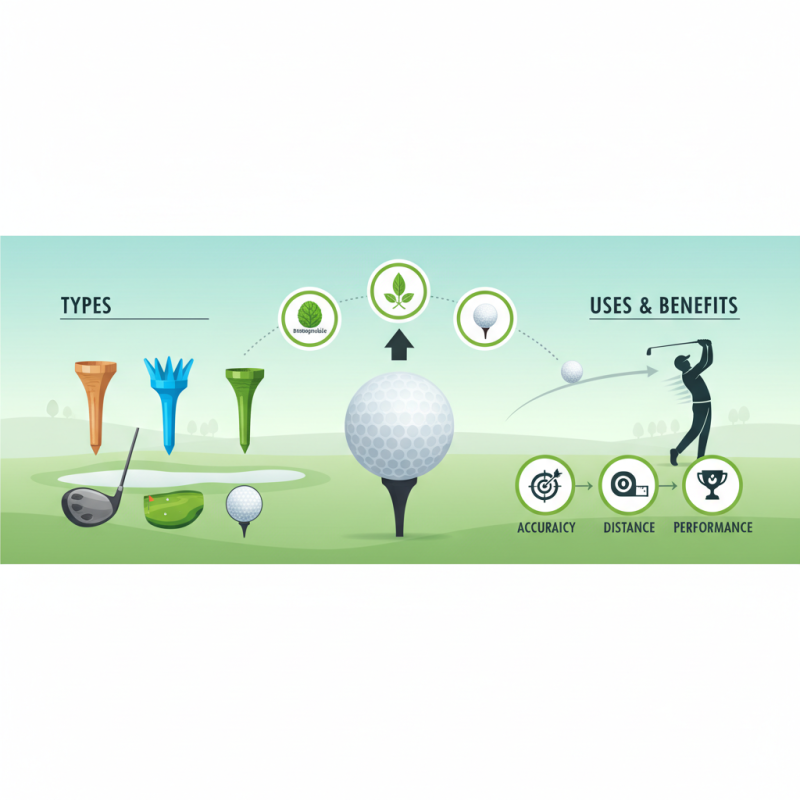
When it comes to golf, the tee may seem like a minor accessory, but its material plays a crucial role in performance and convenience. Golf tees primarily come in three materials: wood, plastic, and composite. Each type offers distinct advantages that can influence a golfer’s game. According to recent industry insights, wooden tees are traditionally favored for their natural feel and ease of use. They are often biodegradable, making them an eco-friendly choice. Research indicates that many professional players still prefer wooden tees for their ability to retain some energy upon impact, enhancing both distance and accuracy.
On the other hand, plastic tees have gained popularity for their durability and consistent height. A study by the Golf Research Institute found that plastic tees can last significantly longer than traditional wooden options, with some lasting up to 50 rounds before breaking. This resilience makes them a favorite among casual and frequent golfers who appreciate the cost-effectiveness over time. Composite tees, a blend of various materials, are also becoming increasingly common due to their innovative design that aims to maximize performance while minimizing environmental impact. These tees often feature features designed to improve stability and reduce resistance upon teeing off, contributing to a more optimized driving experience.
Choosing the right tee is more than a matter of personal preference; it can impact how golfers interact with their equipment and ultimately influence their overall game. Understanding these material differences allows players to tailor their approach, whether they prioritize performance, durability, or sustainability.
Standard vs. Adjustable Golf Tees: Tailoring Tee Height for Optimal Performance
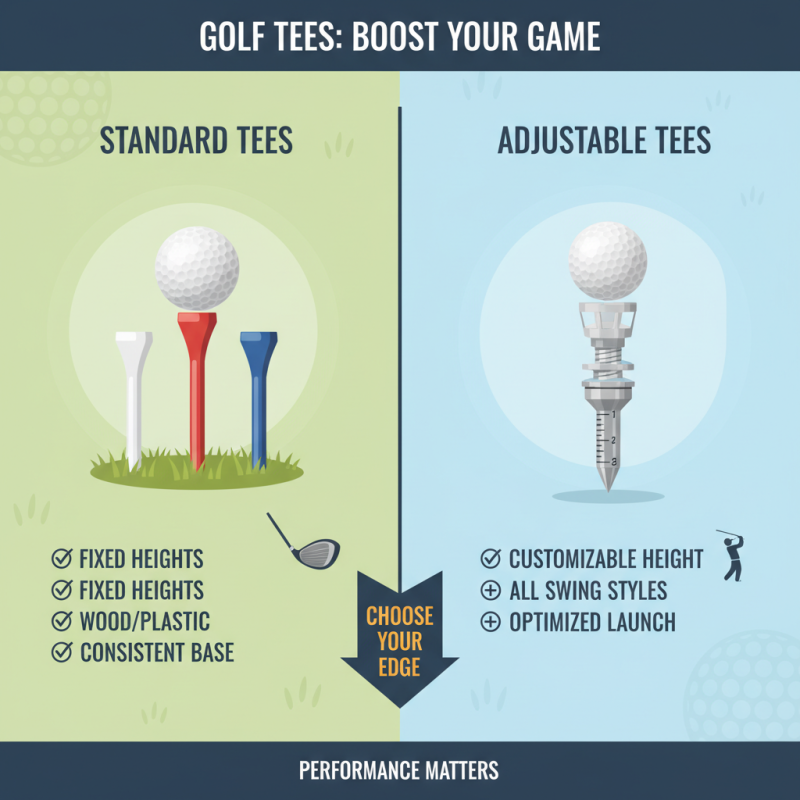
When it comes to enhancing performance on the golf course, one often overlooked aspect is the golf tee. Understanding the differences between standard and adjustable golf tees can significantly impact a player's game. Standard tees come in predetermined heights, suitable for various club types, and provide a consistent base for every shot. These tees are typically made of plastic or wood and are designed to maintain a set height for reliable performance. However, they may not cater to the specific needs of all golfers, especially those who have particular swing styles or preferences.
Adjustable golf tees, on the other hand, allow golfers to modify the tee height according to their individual requirements. This flexibility can be particularly beneficial for optimizing ball launch angles and achieving greater distance. By adjusting the tee height, players can tailor their setup in response to course conditions or specific hole layouts, enabling them to maximize their performance. Whether a player is looking to achieve a higher launch for more distance or a lower trajectory for accuracy, adjustable tees offer a customizable solution that standard tees simply cannot provide. Understanding these options empowers golfers to make informed decisions and enhance their overall experience on the course.
The Role of Golf Tees in Driving Distance: Statistical Insights from the PGA Tour
When it comes to driving distance in golf, the role of the golf tee cannot be understated. Research from the PGA Tour has highlighted that a proper tee height can significantly impact the initial launch angle and spin rate of the golf ball, both critical factors in maximizing distance. Statistically, players who consistently tee their balls at optimal heights report notable improvements in their drives, often translating to several additional yards gained off the tee. This data suggests that even subtle adjustments to tee height can yield substantial benefits for golfers of all skill levels.
Moreover, the choice of tee material and design also plays a crucial role. Different compositions—such as wood, plastic, or biodegradable options—each offer distinct advantages in terms of durability and performance. For instance, some studies indicate that golfers using tees designed with aerodynamics in mind can experience less resistance upon ball impact, resulting in a cleaner strike and, consequently, greater distance. By understanding these nuances in golf tee use, players can make informed choices that enhance their driving capabilities and improve their overall game on the course.
What is a Golf Tee? Understanding Types, Uses, and Benefits for Golfers
| Tee Type |
Height (inches) |
Material |
Driving Distance Benefit (avg. yards) |
Recommended For |
| Wooden Tee |
2.75 |
Wood |
10-15 |
All Levels |
| Plastic Tee |
3.25 |
Plastic |
8-12 |
Beginner to Amateur |
| Hybrid Tee |
2.5 |
Composite |
12-18 |
Advanced Players |
| Brush Tee |
3.0 |
Nylon |
15-20 |
Professional |
| Zero Resistance Tee |
Variable |
Plastic |
20+ |
High Handicap Players |
Benefits of Using Proper Golf Tees: Impact on Accuracy and Swing Consistency
Using the proper golf tee can significantly enhance a golfer's performance on the course. Golf tees are crucial for providing the right height for the golf ball, ensuring that players can maximize their accuracy and swing consistency. The ideal tee height can vary depending on the club being used; for example, using a higher tee for a driver allows for a more sweeping motion, reducing the chances of hitting the ball fat or topping it. This strategic height adjustment can make a noticeable difference in the precision of shots.
Moreover, the material and design of the tee can influence how effectively a player strikes the ball. Wooden tees tend to break easily but offer a natural feel, while plastic options may provide more durability and a consistent height. The choice of tee can affect the trajectory of the ball upon impact, ultimately influencing distance and accuracy. By selecting the appropriate tee based on individual playing style and club choice, golfers can improve their swing sequence, allowing for a more controlled and consistent performance throughout their game.
Impact of Golf Tee Height on Accuracy and Swing Consistency
Choosing the Right Golf Tee: Factors to Consider for Different Golf Courses
When selecting the right golf tee, it’s essential to consider the
type of golf course you’ll be playing on.
Courses vary in their layout, grass type, and overall condition, which can influence the performance
of different tees. Research indicates that golf tees can affect
distance and
accuracy; for instance, a study by the
Golf Research Group found that utilizing the correct tee height can lead to an increase in average
driving distance by 3-5 yards. This is especially
significant on courses with longer par 4s or 5s where maximizing distance from the tee is beneficial.
Factors such as tee materials, height, and durability play a crucial role in your choice.
Wooden tees are traditional but can
break easily, while plastic tees
offer greater durability and consistency. For golfers who prefer a certain tee height,
adjustable tees might be preferable.
It’s important to assess the terrain of your chosen course; for instance, courses with
thick rough may benefit from a
higher tee placement to encourage cleaner strikes.
Tips:
Always carry a variety of tees in your bag to adapt to different playing conditions.
Experiment with different heights during practice rounds to see which configuration suits your swing best.
Additionally, be mindful of the local golf course regulations regarding tee usage, as some courses have
specific rules in place that can affect your choice.