Top Golf Lessons for Beginners and Pros How to Improve Your Game?
Golf is a game of constant improvement. Whether you are a novice or a seasoned player, golf lessons can significantly impact your game. Renowned golf instructor George Gankas once said, “The key to mastering golf is patience and practice.” This statement captures the essence of growth in golf.
Many beginners struggle with their swings and putting. Pros often find themselves stuck in routines that no longer work. Engaging with professional golf lessons brings fresh perspectives and techniques. It's about finding what works for you, not simply following trends. Every golfer has unique challenges. Finding the right coach can turn weaknesses into strengths.
Improving your game isn't just about mechanics. It’s also mental. Golf lessons help build confidence, focus, and resilience. Reflecting on your performance helps identify areas for growth. Accept that mistakes are a part of the journey. Embrace them. Each lesson serves as an opportunity for improvement. Remember, the path to lower scores is paved with intention and hard work.

Top Golf Techniques for Various Skill Levels
Golf can be a challenging game, but mastering certain techniques can significantly improve your performance. For beginners, focusing on grip and stance is crucial. A proper grip ensures better control over the club. Stand with your feet shoulder-width apart for stability. This basic foundation allows for a smoother swing.
As golfers progress, they might explore advanced techniques like the short game and putting. Improving short game skills can save strokes. Practicing chipping around the green builds confidence. Aim for a target while chipping to develop accuracy. For putting, focus on your alignment and reading the greens. A slight misalignment can lead to missed putts. Regular practice sessions can help identify areas needing improvement.
Even seasoned players encounter challenges. Sometimes, swings feel off, and it can be frustrating. Recording your swings may highlight flaws you weren’t aware of. Reflecting on each round can uncover patterns. Perhaps your stance widens unconsciously, affecting your balance. Golf is about constant learning, no matter your skill level.
Top Golf Lessons for Beginners and Pros How to Improve Your Game?
| Skill Level |
Key Techniques |
Focus Areas |
Tips for Improvement |
| Beginner |
Grip and Stance |
Posture and Balance |
Practice with Alignment Aids |
| Beginner |
Swing Basics |
Full Swing Mechanics |
Use Slow Motion to Perfect Form |
| Intermediate |
Course Management |
Understanding Distances |
Practice Decision-Making on the Course |
| Intermediate |
Short Game Techniques |
Chipping and Pitching |
Spend Time on the Practice Green |
| Advanced |
Advanced Swing Techniques |
Consistency and Power |
Analyze and Adjust Based on Performance |
| Advanced |
Mental Game Strategies |
Focus and Visualization |
Incorporate Meditation into Practice |
Understanding Golf Swing Mechanics for Beginners
Understanding the golf swing mechanics is crucial for both beginners and experienced players. The swing is not just about power; it’s about timing and precision. Many beginners focus solely on hitting the ball hard. However, this often leads to poor shot accuracy. A more effective approach is to develop a smooth and controlled motion.
Grip, stance, and posture are foundational elements of a good swing. Ensure your grip is neither too tight nor too loose. A relaxed grip allows for better club control. Your stance should be shoulder-width apart to provide balance. Maintaining an athletic posture will enable a more fluid swing. Often, golfers overlook these basics and end up losing consistency.
Practicing correct mechanics won’t yield immediate results. Frustration might creep in when the ball doesn't go where you intend. In those moments, reflect on your technique. Record your swings if possible, analyzing what’s working and what isn’t. Improvement takes time, and embracing the journey is vital for growth.
Essential Equipment for Optimal Performance in Golf
Golf is a sport that requires the right equipment for optimal performance. Choosing the right clubs is essential. Beginners should opt for clubs that offer forgiveness. These clubs help to improve accuracy and give confidence. Pros might need a more specialized set that suits their playing style. It’s important to feel comfortable with your clubs. Testing out different options can be beneficial.
Another crucial piece of equipment is the golf ball. Different balls have varying characteristics. Some are designed for more spin; others prioritize distance. Finding the right ball can influence your game significantly. A seasoned player might struggle if they switch to a ball that doesn’t match their skill.
Lastly, don't overlook the importance of proper footwear. Comfortable shoes provide stability and support. Issues like blisters can distract you during play. A poor grip can lead to slips in your swing. Reflecting on your equipment choices can reveal areas for improvement. Investing in quality gear may feel challenging, but it’s worth considering for better performance.
Top Golf Lessons for Beginners and Pros
This chart illustrates the average skill improvement in various golf aspects after participating in lessons over a 3-month period. The data compares beginners and pros, highlighting the areas where significant progress can be observed.
Statistics on Common Mistakes and How to Avoid Them
Many golfers, both beginners and pros, struggle with common mistakes. Statistics show that 70% of golfers slice the ball. This issue can stem from improper grip or faulty stance. Addressing these basics can make a huge difference. Focusing on your grip could help align your shot better.
Another frequent problem is poor putting technique. Around 40% of strokes are taken on the green. A lack of proper distance control can lead to frustration. Many players don’t practice this area enough. Sometimes, a simple change in your stance can lead to significant improvements.
Lastly, overswinging is prevalent among players. Nearly 30% of golf injuries are due to overexertion. Players often forget that accuracy beats power. Slowing down your swing can actually increase your distance. Reflecting on your swing speed might help avoid some common pitfalls.
Mental Strategies to Enhance Focus and Confidence in Golf
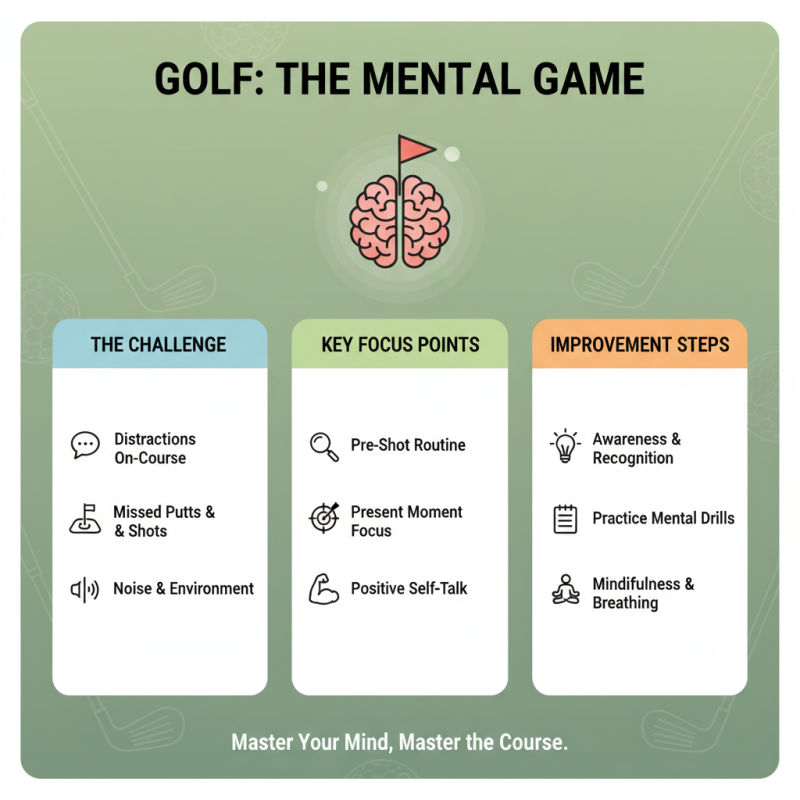
Golf is as much a mental game as it is a physical one. Beginners and seasoned players alike often struggle with focus during a round. Distractions can creep in easily. A nearby conversation, a missed putt, or a sudden noise can disrupt concentration. Recognizing this challenge is the first step toward improvement.
Creating mental strategies can significantly enhance focus. Visualization techniques help many golfers. Picture your ball landing perfectly in the fairway. Picture how it feels. This mental rehearsal strengthens confidence. Take a moment to breathe deeply before each shot. Clear your mind and let go of mistakes from previous holes. Freeing yourself from past errors can be challenging, but it is essential. Embrace the present.
Building a pre-shot routine can also foster mental clarity. A consistent routine helps establish rhythm and focus, reducing anxiety. Many players work on creating a specific sequence they follow. However, some may find themselves rushing. This can lead to careless shots and missed opportunities. Reflecting on your routine is vital. Adjust it as needed. With practice, these strategies will lead to a more confident and focused game.