How to Choose the Best Golf Irons for Your Game?
Choosing the right golf irons can be challenging. Your game heavily relies on these clubs. They impact your accuracy and distance.
Different players have unique needs. Some prioritize control, while others focus on power. Understanding your playing style is crucial. Not everyone needs the same type of golf irons. Mistakes can occur if you rush this decision.
Take time to research various options. Consider factors like weight, material, and design. Each element affects your swing. Also, reflect on your experience level. Beginners may need forgiving clubs, while advanced players might seek precision.
Understanding Your Skill Level and Play Style
When choosing golf irons, your skill level and play style are crucial. A study from the National Golf Foundation shows that around 60% of golfers identify as beginners. Beginners often need more forgiving clubs. Those who struggle with consistency may benefit from perimeter-weighted irons. These clubs help minimize the impact of off-center hits.
Intermediate players typically seek a balance. They may desire more control without sacrificing forgiveness. Reports indicate that about 30% of players fall into this category. These golfers often prefer a mid-sized club with a slightly lower center of gravity. Choosing the right shaft flex becomes vital for this group. A mismatched flex can lead to poor performance.
Advanced players often prioritize precision and feel. They might choose forged irons for better feedback. However, they still need to consider conditions. Even seasoned golfers can struggle in windy weather. The choice of irons can make or break their game. Selecting the right set requires a continuous reflection on one’s skills and preferences. It's not just a purchase; it’s a long-term decision.
Evaluating Different Iron Types and Their Characteristics
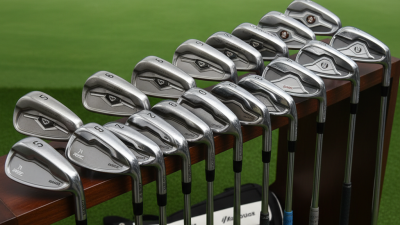
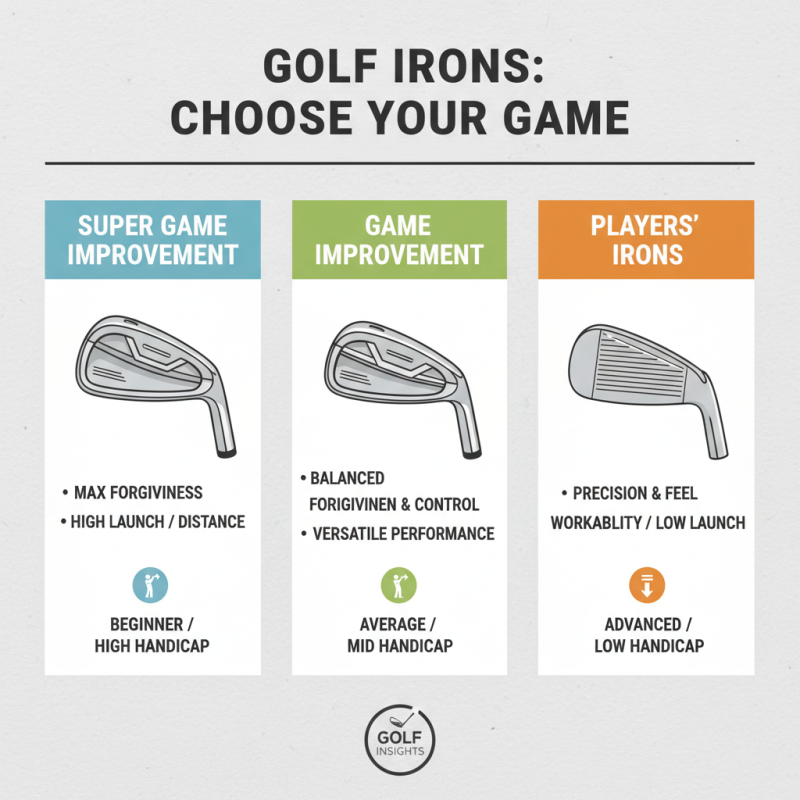
Choosing the right golf irons can greatly influence your game. Different types of irons serve various play styles and skill levels. Generally, there are three main categories: game improvement, players’ irons, and super game improvement irons. Each category offers distinct characteristics that cater to specific player needs.
Game improvement irons are designed for higher accessibility. They feature a larger clubhead and wider soles, making it easier to achieve a solid strike. According to a recent industry report, 45% of recreational golfers prefer these clubs due to their forgiving nature. Players’ irons, on the other hand, are smaller and offer more control. This type is sought after by lower handicap players who value precision.
Tip: Consider your skill level and goals when selecting irons. Hitting the sweet spot consistently helps improve your overall performance. Super game improvement irons could feel overwhelming for advanced players, as they may not deliver the feedback needed for refinement.
Finding the right balance is key. Some golfers find themselves distracted by the technology in modern irons. Too much reliance on features can lead to complacency. Reflect on your play style and whether a specific iron type aligns with your strengths.
Analyzing Golf Irons Materials and Construction
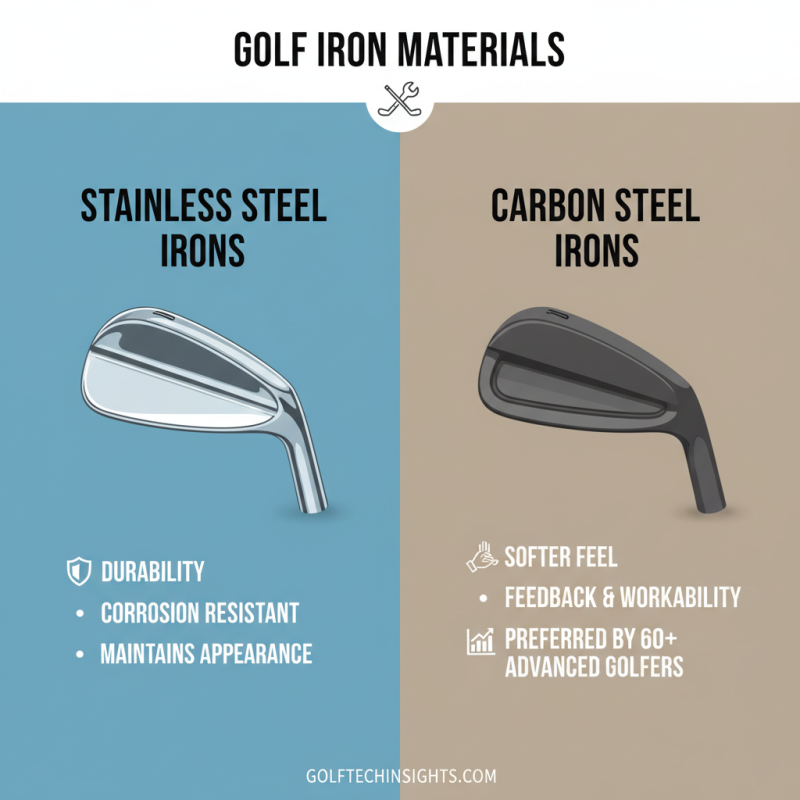
When selecting golf irons, understanding materials and construction is key. Golf irons are primarily made from two materials: stainless steel and carbon steel. Stainless steel is renowned for its durability and corrosion resistance. This allows clubs to retain their aesthetic appeal for longer. On the other hand, carbon steel provides a softer feel, often preferred by skilled players. Reports suggest that over 60% of advanced golfers lean towards carbon steel for its feedback and workability.
The construction of golf irons varies significantly. Cavity-back designs offer forgiveness on off-center hits, ideal for beginners. Blade irons, while less forgiving, provide exquisite control. Research indicates that around 70% of casual golfers benefit from cavity-backs. These clubs tend to have a larger sweet spot. In contrast, blade irons cater to those with a consistent swing, but could lead to frustrations if not used correctly.
Weight distribution plays a pivotal role in performance. Many players overlook this aspect. The center of gravity affects launch angle and spin. Misalignment can result in unwanted shots. A study notes that 58% of recreational golfers struggle with inconsistent distances due to improper weight distribution. Understanding these factors helps players refine their choices. Reflecting on one's needs can prevent costly mistakes while selecting the right irons.
Testing Club Length, Shaft Flex, and Grip Size
Choosing the right golf irons can greatly impact your performance.
Focusing on club length, shaft flex, and grip size is essential.
The length of the iron should complement your stance and swing style.
Too long or short can lead to inconsistent shots.
Testing different lengths can help find what feels best.
Shaft flex is another key element.
It affects how the club interacts with the ball.
A stiffer shaft may work for powerful swings.
Conversely, a more flexible shaft can assist slower swings in gaining distance.
Experimenting with various flex options is wise.
Finally, grip size should not be overlooked.
A grip that is too small can lead to a lack of control, while a grip that is too large may fatigue your hands.
Evaluate what feels comfortable and secure during practice.
Finding the perfect combination takes time and patience.
Embrace this journey as part of improving your game.
Setting Your Budget and Finding Value in Golf Irons
When choosing golf irons, budget plays a crucial role. Setting a limit helps narrow down options. A common mistake is overspending on the latest models. Some golfers feel pressured to buy expensive gear. However, value can often be found in older, quality designs. Focus on performance rather than brand name.
Consider buying used irons. These can offer excellent value. Check for signs of wear like scratches or dents. Often, slightly used clubs perform just as well as new ones. Golfers should evaluate their playing style when selecting irons. Some may prefer a more forgiving club, while others want precision. It’s essential to reflect on what feels right in your hands.
Choose wisely to avoid regret. Spending too much can lead to dissatisfaction. It’s important to balance cost with quality. Test the clubs before purchasing. This can save money in the long run. Make sure you feel comfortable swinging them. Remember, the best club for you may not be the most expensive.
Comparison of Golf Iron Prices and Ratings
This chart illustrates the average price and user ratings of various golf iron sets available in the market. The prices are based on current market data, while ratings are derived from user reviews across multiple platforms.