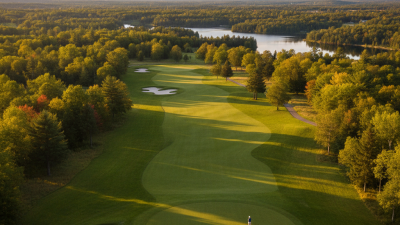
How to Choose the Best Golf Greens for Your Home Course?
Choosing the right golf greens for your home course is crucial. Many golfers overlook this important decision. The quality of your greens can directly affect your game experience.
When selecting golf greens, consider factors like climate and soil type. Different grasses perform better in various conditions. Assessing your local environment will guide your choice. A green that thrives in one area may falter in another. Also, think about maintenance requirements. Some greens need more care than others, which could strain your budget and time.
Reflect on your playing style, too. Do you prefer fast or slow greens? The surface affects your putting strategy significantly. Don't forget to consider your skill level and experience. It's easy to assume you want the best, but proper fit may vary. Take your time. Discuss options with local experts. Their insights can steer you towards a more suitable decision.
Understanding Different Types of Golf Greens: An Overview
When choosing the right type of golf greens for your home course, understanding variations is crucial. Different types of greens can dramatically affect play. For instance, bentgrass is known for its smoothness and consistency. It is commonly used in cooler climates. Research shows that nearly 60% of top US golf courses utilize bentgrass greens, highlighting its popularity.
Conversely, Bermuda grass is favored in warmer areas. This species thrives in heat and is drought-resistant. A 2021 study revealed that courses using Bermuda saw a 30% decrease in maintenance costs compared to bentgrass. Homeowners might consider their local climate and maintenance capabilities before making a decision.
Additionally, the choice of greens influences the game experience. While bentgrass offers precision, Bermuda can challenge players' skills. A balanced approach may lead to increased enjoyment. Each grass type has its pros and cons. Reflecting on these elements is essential for creating the ideal home course. Understanding these impacts ensures that golfers enjoy the game to its fullest.
Evaluating Playing Conditions: Climate and Soil Type Considerations
When selecting golf greens for your home course, evaluating playing conditions is essential. Climate plays a significant role in the overall health of your greens. Regions with high humidity may promote mold and disease, while those with extreme heat could cause stress. It's crucial to assess rainfall patterns, temperature variations, and seasonal changes. This evaluation helps in choosing the type of grass that thrives in your area. A well-suited variety ensures stronger greens and a better playing experience.
Soil type is equally important. Different soils possess varying drainage capabilities and nutrient levels. Sandy soils drain quickly, which is beneficial in wet conditions. However, they may require frequent watering and fertilization. Clay soils hold moisture well but can lead to poor drainage and compaction issues. Conducting a soil test can reveal its pH and nutrient composition. This information is vital when selecting the best greens.
Sometimes, your chosen variety may struggle if the soil conditions are not suitable. Compromises might be necessary, such as amending soil or selecting a diverse grass mix for adaptability. Understanding these factors is key to achieving the best results for your home course.
Assessing Maintenance Requirements: Cost and Time Investment Analysis
Choosing the right golf greens for your home course involves a careful evaluation of maintenance requirements. Factors like cost and time investment are paramount. According to the National Golf Foundation, homeowners can spend anywhere from $500 to $2,500 annually on maintaining greens, depending on the grass type and local climate. Cool-season grasses typically require more water and fertilization, increasing maintenance demands.
Understanding the time commitment is equally critical. On average, homeowners spend about 2-4 hours per week on maintenance tasks like mowing, watering, and pest control. This can vary significantly based on the terrain and weather conditions. If you’re considering a DIY approach, assess your schedule realistically. Can you commit to this level of maintenance long-term?
Additionally, factor in the need for professional help. Many homeowners face the challenge of balancing cost with expertise. Hiring a specialist can increase annual expenses by 30-50%. While this might ease the burden, it raises questions about the best investment for your unique circumstances. Striking the right balance between investment and time is key to achieving optimal greens for your course.
Analyzing Performance Metrics: Speed and Firmness Ratings of Greens
When selecting golf greens for your home course, analyzing performance metrics is key. Speed and firmness ratings play a significant role in determining playability. A faster green often requires more precision and skill. Conversely, a firmer green can produce challenging bounces and roll. Understanding these metrics will help you make an informed decision.
Tips: Consider your skill level. If you're a beginner, greens with moderate speed can enhance your experience. Experts might prefer faster greens for added challenge. Observe green conditions regularly. Consistent maintenance affects speed and firmness. Familiarize yourself with seasonal changes; greens might differ in wet versus dry conditions.
Pay attention to player feedback. While one golfer may love the speed, another might find it frustrating. Seek opinions from peers about firmness ratings. Experiment with local courses to gauge your preferences. Find what works best for you. Don't forget to reflect on your own experiences and adapt your choices accordingly.
Analyzing Performance Metrics: Speed and Firmness Ratings of Greens
Choosing the Right Grass Type: Cool-Season vs. Warm-Season Grasses
When selecting grass for your home golf greens, understanding the differences between cool-season and warm-season grasses is crucial. Cool-season grasses thrive in the northern regions, growing best in temperatures between 60°F and 75°F. They ramp up in spring and maintain color through early fall. Varieties like Kentucky bluegrass and fescue are popular, allowing for rich, lush greens. According to the Turfgrass Science research, these grasses can reduce heat stress and require less irrigation during cooler months.
In contrast, warm-season grasses are ideal for southern climates. They flourish in temperatures from 80°F to 95°F. Bermuda and Zoysia are common choices, exhibiting notable drought tolerance. Turfgrass studies indicate that warm-season varieties typically have higher resistance to wear and tear. However, transitioning from a cool-season to a warm-season grass can result in inconsistencies in color and texture. This is a consideration to weigh carefully, as poor transitioning might leave your greens patchy or brown during colder months.
Ultimately, selecting the right grass type involves understanding your local climate and maintenance capacity. The choice between cool-season and warm-season grass is not just about aesthetics but also about promoting a healthy, sustainable playing environment. Regular soil testing and proper care are vital, as the wrong choice can lead to costly mistakes.
How to Choose the Best Golf Greens for Your Home Course?
| Grass Type |
Ideal Climate |
Growth Cycle |
Maintenance Level |
Color Quality |
| Bermudagrass |
Warm climate |
Fast growth in summer |
Moderate |
Bright green color |
| Kentucky Bluegrass |
Cool climate |
Slow to establish |
High |
Deep green color |
| Tall Fescue |
Transition climate |
Moderate growth |
Low to moderate |
Dark green with a coarse texture |
| Zoysiagrass |
Warm climate |
Slow to green up |
Moderate |
Dense and rich green color |
| Perennial Ryegrass |
Cool climate |
Fast to establish |
Low |
Vibrant green color |