
Ontario offers more than famous resort layouts and polished championship venues. Its golf courses stretch from wooded Muskoka corridors to open links-style fairways near Lake Erie. For golfers comparing golf courses ontario, the right choice depends on more than reputation. Consider travel time, green fees, walking access, course difficulty, and the kind of scenery you want between shots.
Course architect Ian Andrew is a recognized voice in Canadian golf design. A useful design principle associated with his work is: “A memorable course rewards thoughtful play, not just powerful shots.” Treat that as a guiding idea, not a verified direct quotation. It captures why course character matters. A tight tee shot beneath tall pines feels different from a broad fairway exposed to lake wind. Both can be excellent. Neither suits every golfer.
This guide considers options for beginners, low-handicap players, families, and visitors planning a golf-focused trip. It looks at course design, setting, facilities, and practical value, rather than ranking every course by prestige alone. Some details change with weather and season, so confirm current conditions before booking. Small things matter. A long cart ride, firm greens, or limited practice space can shape the day more than a glossy photograph suggests. No list can fit everyone perfectly. Use these recommendations as a starting point, then match each course to your pace, budget, and appetite for a challenge.
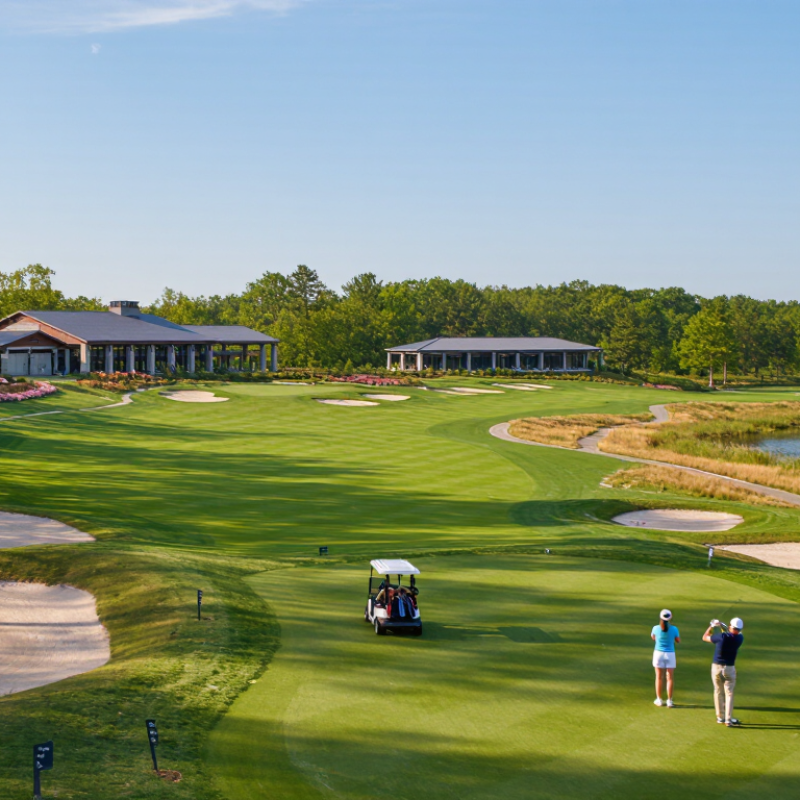
Ontario offers more than a collection of golf courses. It offers different golfing experiences across distinct regions. Courses near the Greater Toronto Area often feature mature trees, narrow fairways, and busy weekend schedules. Niagara provides rolling terrain, warmer spring conditions, and several scenic layouts. Southwestern Ontario usually feels more open, with farmland views and stronger crosswinds. Northern regions, including Muskoka and the Ottawa Valley, add rocky land, forests, and dramatic elevation changes.
Timing matters as much as location. The season often starts in late April, but early mornings can bring frost delays and damp fairways. May rewards patience, since soft ground can reduce distance after rain. June through August usually offers the most reliable conditions, although midday heat can make long rounds tiring. September and October are excellent for cooler air, quieter tee times, and colorful tree lines. Check the forecast.
Course style should match your ability and expectations. Beginners may prefer wider parkland fairways, generous landing areas, and shorter forward tees. Experienced golfers might enjoy forest corridors, firm greens, or links-inspired layouts shaped by wind. A course can look friendly on paper but punish poor club selection. I still misjudge Ontario’s changing wind, especially beside open fields. That is part of the lesson. Ask about drainage, walking distance, and current conditions before booking. A careful choice often creates a better round than chasing the most famous address.
| Region | Typical Playing Season | Common Course Styles | What Golfers Can Expect | Best Fit | Planning Tip |
|---|---|---|---|---|---|
| Greater Toronto Area and Central Ontario | Generally spring through fall, often from April or May into October; dates vary with weather and course conditions. | Parkland layouts, urban and suburban courses, and courses with tree-lined fairways and water features. | A wide range of course lengths and difficulty levels, with convenient access to populated centres. | Golfers seeking variety, easy access, or options for different skill levels. | Book popular weekend tee times early, especially during peak summer months. |
| Niagara and Lake Ontario’s western shore | Often a long spring-to-fall season; the milder lake-influenced climate can support early- and late-season play, but conditions vary. | Parkland and open layouts, with some courses set among vineyards, orchards, and rolling countryside. | A mix of scenic settings and accessible terrain, with regional weather influenced by nearby lakes. | Recreational golfers and visitors combining golf with a broader regional trip. | Check local course conditions in spring and autumn, when rain or cool temperatures can affect play. |
| Muskoka and Parry Sound | Typically late spring through early autumn, with a shorter season than southern Ontario. | Woodland and Canadian Shield layouts, often featuring rocky outcrops, elevation changes, and natural vegetation. | Distinctive scenery and varied terrain; uneven lies and elevation can make some holes more demanding. | Golfers who enjoy nature-focused settings and a more varied landscape. | Confirm opening dates and course conditions before travelling early or late in the season. |
| Ottawa and Eastern Ontario | Generally spring through fall, commonly from April or May into October, depending on weather. | Parkland, links-inspired, and gently rolling layouts across urban, rural, and riverside settings. | A broad range of playing experiences, from relatively level courses to more challenging layouts. | Golfers looking for varied course styles and options around a major city. | Allow for changing spring and autumn temperatures, and check for maintenance closures. |
| Southwestern Ontario | Often among the longer playing seasons in the province, generally spring through fall; exact dates depend on local conditions. | Parkland and open, links-inspired layouts, including courses on relatively flat agricultural terrain. | Many courses offer walkable terrain, while wind can be a factor on more open layouts. | Golfers who prefer accessible terrain or want options across a range of course designs. | On open courses, consider wind forecasts when choosing clubs and planning a round. |
| Northern Ontario | Usually a shorter summer-focused season, often beginning in May or June and ending in September or October; local conditions vary. | Forest, lake-country, and Canadian Shield layouts, often shaped by natural terrain. | Scenic surroundings and a quieter pace, with travel distances between communities sometimes greater. | Golfers seeking a northern outdoor experience and naturally varied landscapes. | Check opening dates, daylight, and travel distances when planning a multi-course itinerary. |
| Season ranges are general Ontario patterns, not guaranteed opening dates. Weather, maintenance, and local course conditions determine when a course is playable. | |||||